A sudden toothache, broken tooth, knocked-out tooth, or swelling in the face can happen when you least expect it. Knowing what to do during a dental emergency can help reduce pain, prevent further damage, and improve the chances of saving the affected tooth.
While some dental problems can wait for a routine appointment, others require urgent dental treatment. In this guide, we explain the most common dental emergencies, what you should do immediately, and when you should see an emergency dentist.
At Blossom Dental Clinic, Bodakdev, Ahmedabad, we provide comprehensive dental care to diagnose and manage urgent dental problems and help you get back to comfortable oral health.
What Is a Dental Emergency?
A dental emergency is a dental problem that requires immediate or urgent attention to relieve severe pain, control bleeding, prevent infection, or save a damaged tooth.
Common dental emergencies include:
- Severe or sudden toothache
- A knocked-out permanent tooth
- A broken or fractured tooth
- A chipped tooth with pain
- Dental abscess or facial swelling
- Uncontrolled bleeding after a dental procedure
- A loose or displaced permanent tooth after an injury
- Severe pain or swelling around a wisdom tooth
- Lost or damaged dental crowns, bridges, or fillings
- Trauma to the mouth or jaw
Not every dental problem requires emergency treatment, but persistent pain, swelling, bleeding, or dental trauma should not be ignored.
Common Dental Emergencies and What to Do
1. Severe Toothache
A severe toothache can be caused by tooth decay, an infection, a cracked tooth, gum disease, or inflammation of the dental pulp.
What should you do?
- Rinse your mouth gently with lukewarm water and keep the area clean. If food is trapped between your teeth, carefully use dental floss to remove it.
- Avoid placing aspirin or other medicines directly on the tooth or gums, as this can damage the gum tissue.
- If the pain is severe, persistent, or associated with swelling or fever, schedule an urgent dental examination.
Depending on the cause, treatment may include a root canal treatment, dental filling, extraction, or treatment of gum infection.
2. Knocked-Out Tooth

A knocked-out permanent tooth is one of the most time-sensitive dental emergencies. Prompt treatment can sometimes help save the natural tooth.
What should you do?
- Pick up the tooth by the crown, not the root.
- Do not scrub or scrape the root.
- If the tooth is dirty, gently rinse it with clean water.
- Keep it moist in milk or an appropriate tooth-preservation solution.
- Seek emergency dental care immediately.
Do not allow the tooth to dry out.
The sooner a knocked-out permanent tooth is treated, the better the chances of successful management.
3. Broken or Fractured Tooth

A tooth can fracture because of an accident, biting on something hard, tooth decay, or an old large filling. If the broken tooth is causing pain or sensitivity, avoid chewing on that side of the mouth. If you can find the broken fragment, keep it safely and take it with you to the dentist.
Treatment depends on how much of the tooth has fractured. Depending on the situation, your dentist may recommend: Dental bonding, A filling, A dental crown, Root canal treatment, Extraction in severely damaged teeth
4. Chipped Tooth

A small chip may not always be a dental emergency, particularly if there is no pain. However, a chipped tooth should still be evaluated by a dentist. A dentist can determine whether the damage is limited to the enamel or whether the deeper layers of the tooth are affected. Small chips can often be repaired using tooth-coloured composite bonding, while larger fractures may require a crown or other restorative treatment.
5. Dental Abscess and Facial Swelling


A dental abscess is an infection that can develop around a tooth or within the surrounding tissues.
Symptoms may include:
- Severe toothache
- Swelling around the tooth or face
- Gum swelling
- Pus or a bad taste in the mouth
- Fever
- Pain while biting
- Difficulty opening the mouth
A dental abscess should not be ignored. Dental infections can potentially spread to surrounding tissues.
Treatment may involve drainage of the infection, root canal treatment, extraction, or other appropriate dental treatment. Antibiotics may be prescribed in certain situations, but they do not replace treatment of the underlying dental infection.
When is facial swelling an emergency?
If swelling is rapidly increasing or is associated with difficulty breathing, swallowing, speaking, or opening the mouth, seek immediate medical attention.
6. Bleeding After Tooth Extraction

Some bleeding after a tooth extraction is expected. However, persistent or heavy bleeding requires attention.
If bleeding occurs:
- Sit upright and remain calm.
- Place clean gauze over the extraction site.
- Apply firm, continuous pressure by biting on the gauze.
- Avoid repeatedly removing the gauze to check the area.
- Avoid vigorous rinsing, spitting, smoking, or disturbing the extraction socket immediately after extraction, as these can interfere with blood clot formation.
- Contact your dentist if bleeding continues or is excessive
7. Dental Trauma and Loose Teeth

A blow to the face can cause teeth to become loose, displaced, cracked, or damaged beneath the gum line. Even if the tooth looks normal, dental trauma can sometimes damage the tooth's nerve or supporting tissues.
If you experience a dental injury:
- Avoid biting on the injured tooth.
- Do not attempt to force a displaced tooth back into position yourself.
- Have the tooth examined by a dentist as soon as possible.
Early evaluation can help identify hidden damage and determine whether the tooth can be preserved.
8. Wisdom Tooth Pain and Swelling

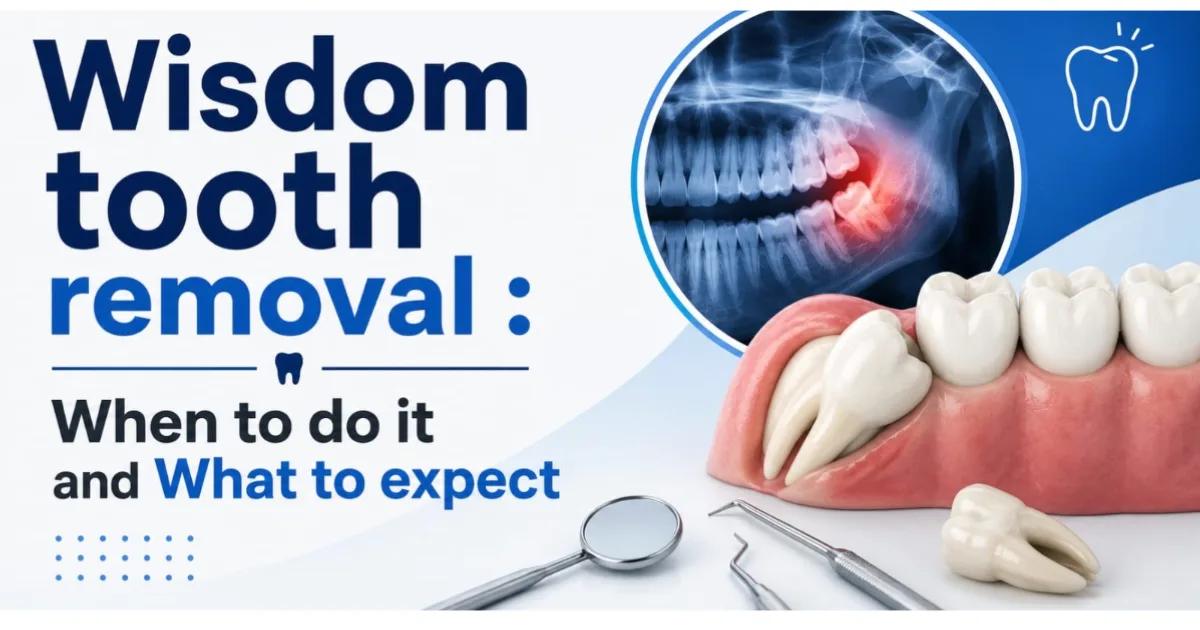
Pain around a wisdom tooth can occur when the tooth is partially erupted, impacted, or surrounded by inflamed gum tissue.
Symptoms can include:
- Pain at the back of the jaw
- Swollen gums
- Difficulty opening the mouth
- Bad taste or bad breath
- Difficulty chewing
- Facial swelling
A dentist may recommend an examination and dental X-ray to determine the position of the wisdom tooth and the cause of the symptoms.
Depending on the condition, treatment may include cleaning around the area, medication when appropriate, or wisdom tooth removal.
9. Lost Dental Filling or Crown


A lost filling or crown may not always be a severe emergency, but it should be assessed promptly.
Until you see your dentist:
- Keep the area clean.
- Avoid chewing hard or sticky foods on that side.
- Avoid extremely hot or cold foods if the tooth is sensitive.
- Do not use household glue to attach a dental crown.
- A temporary repair may sometimes be possible, but the tooth should be professionally evaluated.
What Should You Keep in a Dental Emergency Kit?
Keeping a few basic items at home can be useful during a dental emergency:
- Sterile gauze
- Clean cotton
- Dental floss
- A cold pack
- A small clean container
- Contact details of your dentist
- If a permanent tooth is knocked out, having access to an appropriate tooth-preservation solution can also be helpful.
What NOT to Do During a Dental Emergency
Some common home remedies can make a dental problem worse.
Avoid:
- Placing aspirin directly on the gums
- Applying household chemicals to the tooth
- Using glue on a broken crown
- Ignoring severe dental pain
- Delaying treatment for facial swelling
- Scrubbing the root of a knocked-out tooth
- Putting a knocked-out tooth in dry tissue or letting it dry
- Taking antibiotics without professional advice
The safest approach is to contact a dentist and get the underlying cause diagnosed.
When Should You See an Emergency Dentist?
You should seek urgent dental care if you experience:
Severe tooth pain: Especially if it is sudden, persistent, or preventing you from sleeping or eating.
Facial or gum swelling: Particularly when associated with pain, fever, or infection.
Knocked-out permanent tooth: Seek dental care immediately.
Broken or severely fractured tooth: Especially when the inner part of the tooth is exposed or there is significant pain.
Uncontrolled bleeding: Persistent or heavy bleeding after an injury or dental procedure requires professional evaluation.
Dental trauma: Any significant injury to the teeth, gums, jaw, or face should be assessed.
How Can Dental Emergencies Be Prevented?
Not every dental emergency can be prevented, but several habits can significantly reduce your risk.
Maintain good oral hygiene
Brush twice a day with fluoride toothpaste and clean between your teeth regularly.
Don't use your teeth as tools
Avoid using your teeth to open packets, bottles, or cut objects.
Avoid chewing extremely hard objects
Ice, hard candies, bones, and other hard foods can increase the risk of tooth fractures.
Wear a mouthguard during sports
A properly fitted mouthguard can help protect your teeth from sports-related injuries.
Treat dental problems early
A small cavity or cracked tooth can become a painful emergency if left untreated. Regular dental check-ups can help identify problems before they become severe.
Dental Emergency Treatment in Ahmedabad
If you are experiencing severe tooth pain, dental swelling, a broken tooth, dental trauma, or another urgent dental problem, timely professional evaluation is important.
Depending on the cause of the emergency, treatment may include pain management, dental fillings, root canal treatment, tooth extraction, treatment of dental infections, wisdom tooth removal, or restorative dental procedures.
If you are unsure whether your dental problem is an emergency, it is better to have it assessed by a dentist rather than delay treatment.
If you have a dental emergency in Ahmedabad, book a consultation with our expert dentists at Blossom Dental Clinic, Bodakdev, Ahmedabad promptly for proper diagnosis and treatment.