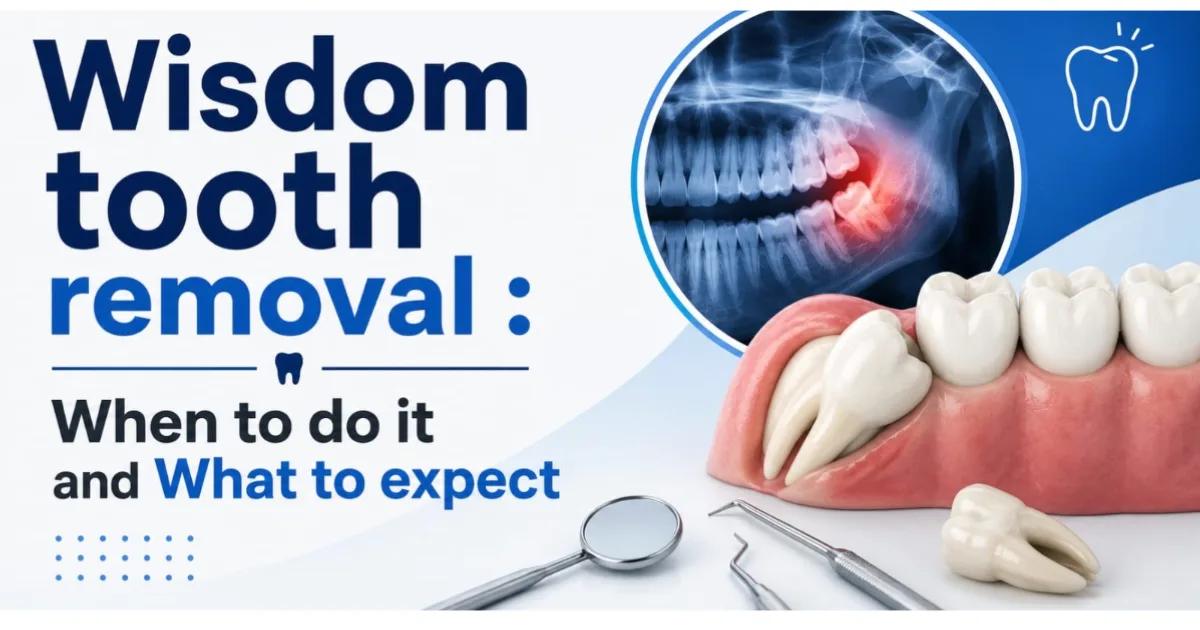
If you've ever experienced pain or swelling at the back of your mouth, there's a good chance your wisdom teeth are responsible for it. Wisdom tooth problems are among the most common reasons people visit a dentist, especially during their late teens and twenties.
Many patients ask:
- Do all wisdom teeth need to be removed?
- Is wisdom tooth extraction painful?
- How long does recovery take?
- What happens if I don't remove an impacted wisdom tooth?
The good news is that not every wisdom tooth needs to be extracted. However, when a wisdom tooth starts causing pain, infection, or damage to nearby teeth, timely removal can prevent more serious dental problems.
In this comprehensive guide, we'll explain when wisdom tooth removal is recommended, how the procedure is performed, what to expect during recovery, and how to heal comfortably after surgery.
What Are Wisdom Teeth?
Wisdom teeth, also known as third molars, are the last permanent teeth to develop. They usually erupt between the ages of 17 and 25 years, although some people may develop them earlier or later. Most people have four wisdom teeth—one in each corner of the mouth. However, some people naturally have fewer wisdom teeth, and a small percentage never develop wisdom teeth at all. Thousands of years ago, wisdom teeth helped our ancestors chew tougher foods such as roots, nuts, and raw meat. Today, with changes in diet and evolution, our jaws are often smaller, leaving insufficient space for these extra molars to erupt properly. As a result, wisdom teeth frequently become impacted, meaning they remain partially or completely trapped beneath the gums or jawbone.
What Is an Impacted Wisdom Tooth?
An impacted wisdom tooth is one that cannot erupt normally because there isn't enough room in the jaw.
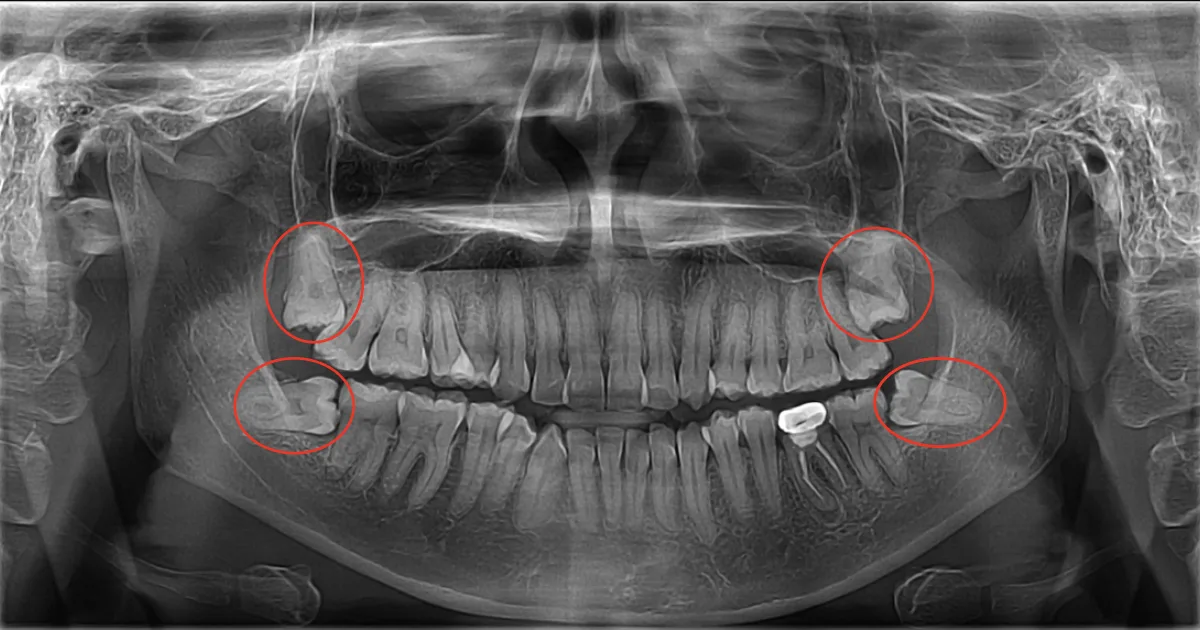
Impacted wisdom teeth may be:
- Completely impacted – fully covered by bone or gum.
- Partially erupted – part of the tooth is visible while the rest remains trapped.
- Angled or horizontal – growing sideways against the neighbouring tooth.
Because these teeth are difficult to clean, food particles and bacteria often collect around them, increasing the risk of infection and decay.
When Should a Wisdom Tooth Be Removed?
Not every wisdom tooth needs extraction. However, removal is usually recommended when it is causing symptoms or has the potential to damage surrounding teeth.
1. Persistent Pain
Pain at the back of the jaw is one of the most common signs that a wisdom tooth is creating problems. The discomfort may be constant or occur while chewing. Pain can also spread to the ear, temple, or jaw joint.
2. Swollen or Infected Gums (Pericoronitis)
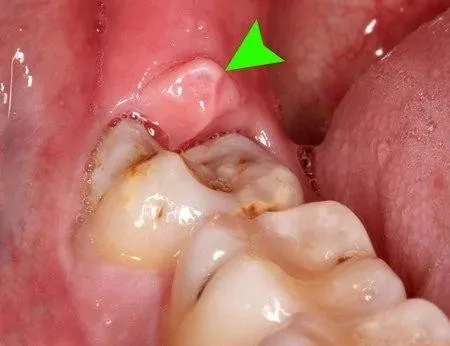
A partially erupted wisdom tooth often leaves a flap of gum tissue over the tooth. Food and bacteria easily become trapped beneath this flap, leading to: Swollen gums, Pain while chewing, Bad breath, Difficulty opening the mouth, pus discharge in severe cases.
Repeated episodes of infection are a strong indication for extraction.
3. Tooth Decay
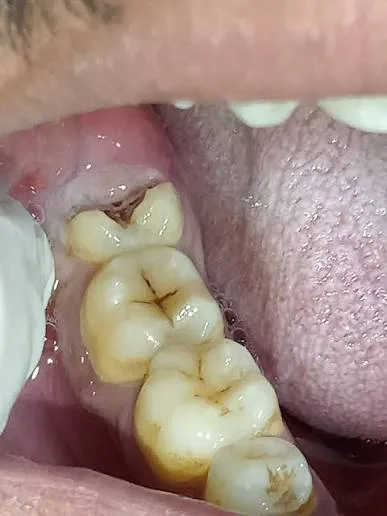
Because wisdom teeth are located so far back, they are difficult to brush and floss effectively. This makes them more prone to cavities. Sometimes the neighbouring second molar also develops decay because food becomes trapped between the two teeth.
4. Damage to Adjacent Teeth
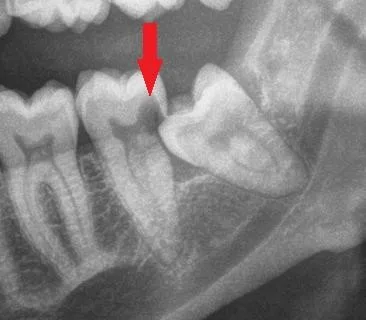
An impacted wisdom tooth may push against the tooth in front of it, leading to:
- Tooth damage
- Root resorption
- Gum disease
- Bone loss
- Increased risk of cavities
Removing the wisdom tooth early may help preserve the health of the adjacent tooth.
5. Cysts or Other Jaw Problems
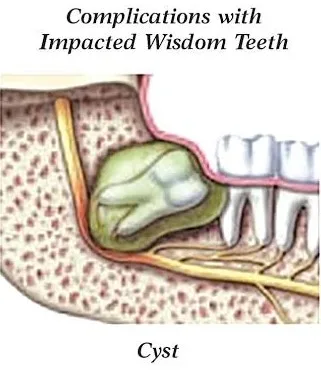
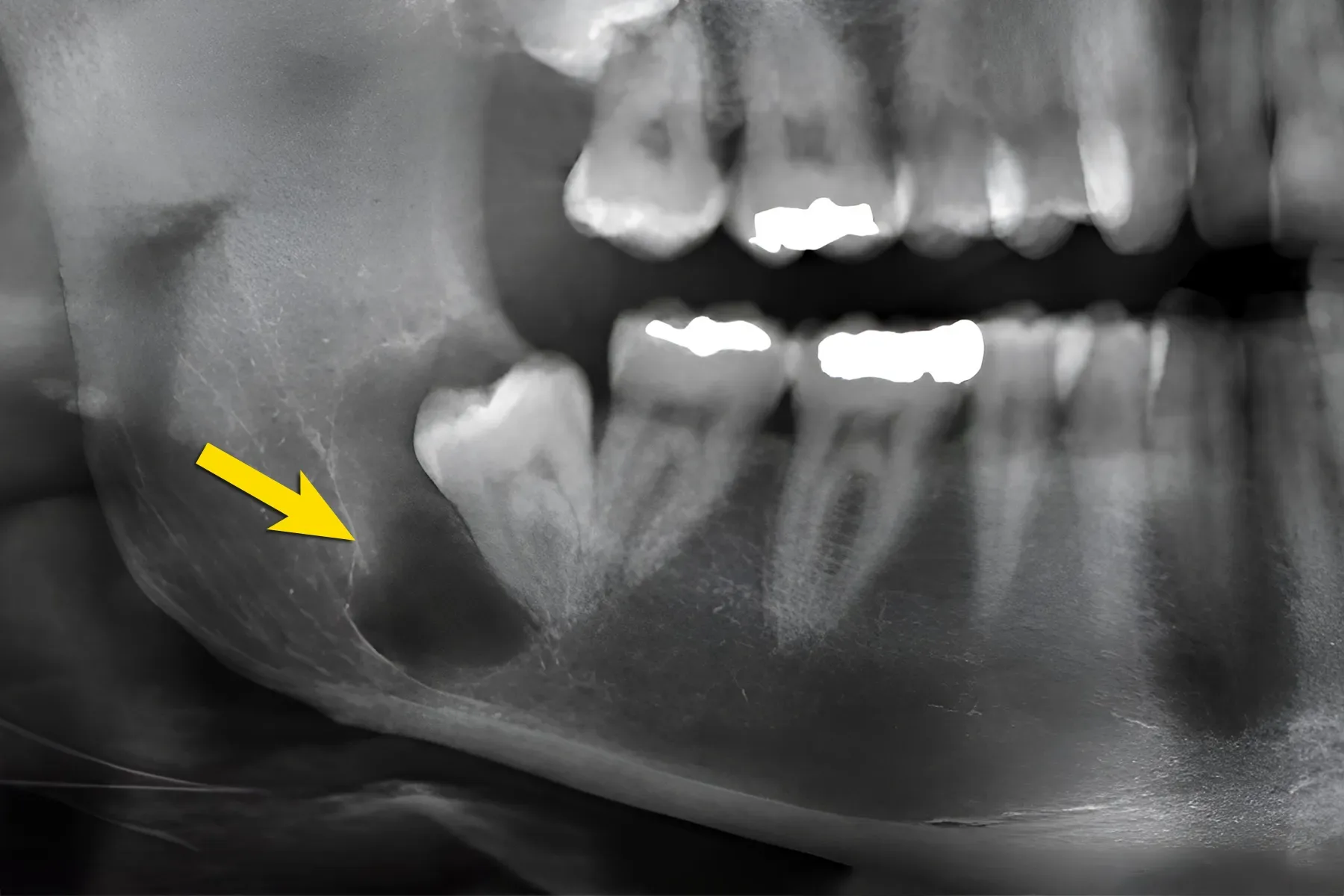
Although uncommon, impacted wisdom teeth may occasionally be associated with cyst formation around the tooth. If left untreated, these cysts can gradually damage the surrounding jawbone and nearby teeth.
6. Orthodontic or Prosthetic Reasons
Sometimes your orthodontist or dentist may recommend removing wisdom teeth before braces or other dental treatments if they are likely to interfere with treatment or long-term oral health.
When Can Wisdom Teeth Be Left Alone?
Many wisdom teeth remain completely healthy throughout life. Your dentist may simply recommend periodic observation if the tooth is:
- Fully erupted
- Properly aligned
- Easy to clean
- Free from pain
- Free from decay
- Not affecting neighbouring teeth
Regular dental check-ups and X-rays help monitor these teeth over time.
What Happens During Wisdom Tooth Removal?
One of the biggest fears patients have been the procedure itself. Fortunately, modern techniques and local anaesthesia make wisdom tooth extraction a comfortable experience for most patients.
The procedure generally involves:
Clinical Examination
The dentist examines your mouth and reviews your dental X-ray to determine the position of the tooth and its relationship with nearby nerves and sinuses.
Local Anaesthesia
The area around the tooth is completely numbed. You may feel pressure during the procedure but should not feel pain.
Tooth Removal
If the tooth is fully erupted, it may be removed like a regular extraction. If the tooth is impacted, a small opening is made in the gum, and a small amount of bone may be removed if necessary. The tooth is sometimes divided into smaller sections to allow easier removal while minimizing trauma.
Cleaning and Sutures
The socket is cleaned thoroughly, and stitches may be placed to promote healing. The procedure usually lasts 30 to 60 minutes, depending on the complexity.
Is Wisdom Tooth Removal Painful?
This is probably the most common question patients ask. The answer is no—the procedure itself should not be painful. Because local anaesthesia is used, the area remains completely numb throughout the surgery.
After the anaesthesia wears off, you may experience:
- Mild to moderate pain
- Swelling
- Jaw stiffness
- Difficulty opening the mouth fully
- Mild bleeding for a few hours
These symptoms are expected and are usually well controlled with the medications prescribed by your dentist.
Recovery After Wisdom Tooth Removal
Recovery varies depending on the difficulty of the extraction and your body's healing response.
First 24 Hours:
- Mild bleeding
- Swelling begins
- Rest is recommended
- Blood clot forms in the extraction socket
Days 2–3
Swelling usually reaches its maximum during this period. Continue taking prescribed medications and use cold compresses if advised.
Days 4–7
Pain gradually reduces. Most patients can comfortably return to work or college. Any stitches placed may either dissolve on their own or be removed during a follow-up visit.
Two Weeks and Beyond
The gums continue healing, while the jawbone gradually fills in over the next few months.
Foods to Eat After Wisdom Tooth Removal

Eating the right foods can make recovery much more comfortable.
Good options include: Yogurt, Smoothies (without using a straw), Khichdi, Dal, Mashed potatoes, Oatmeal, Soft rice, Soup (lukewarm), Scrambled eggs, Ice cream in moderation
Avoid: Hard foods, Nuts, Chips, Popcorn, Spicy foods, very hot beverages, Alcohol, Smoking
Tips for a Faster Recovery
To help your mouth heal properly:
- Bite firmly on the gauze as instructed.
- Apply an ice pack during the first 24 hours.
- Take medications exactly as prescribed.
- Avoid smoking and tobacco, as they significantly delay healing.
- Do not spit forcefully or rinse vigorously on the first day.
- Avoid drinking through a straw, as the suction can dislodge the blood clot and lead to a painful condition called dry socket.
- Brush your teeth gently while avoiding the surgical area.
- Attend your follow-up appointment if advised.
When Should You Contact Your Dentist?
Seek dental care immediately if you experience:
- Severe pain that worsens after three to four days
- Excessive bleeding
- Increasing swelling after the third day
- Fever
- Difficulty swallowing or breathing
- Pus discharge or a persistent bad taste
- Numbness that lasts longer than expected
Early treatment can prevent complications and promote faster healing.
Final Thoughts
Wisdom tooth removal is one of the most common oral surgical procedures and, when performed at the right time, can prevent pain, infection, damage to neighbouring teeth, and other long-term complications.
Not every wisdom tooth needs to be extracted, but if you're experiencing pain, swelling, repeated infections, or have been told your wisdom tooth is impacted, don't ignore the problem. A timely dental examination and X-ray can help determine the best course of treatment and prevent more complex issues in the future.
At Blossom Dental Clinic – Orthodontic & Implant Centre, we believe in providing comfortable, personalized, and evidence-based dental care. From a detailed clinical evaluation and digital X-rays to painless wisdom tooth removal and comprehensive post-operative care, our team is committed to making your treatment as safe and stress-free as possible.
If you're experiencing wisdom tooth pain or have been advised to undergo wisdom tooth extraction, schedule a consultation with our experts at Blossom Dental Clinic. We'll carefully assess your condition, answer all your questions, and recommend the treatment that's best for your oral health—so you can get back to smiling comfortably.