Losing all of your teeth can be a life-changing experience. Everyday activities that most people take for granted—eating comfortably, speaking clearly, smiling confidently, and even maintaining facial appearance—can become challenging. Many patients also experience a loss of self-confidence and avoid social situations because they feel embarrassed about their missing teeth.
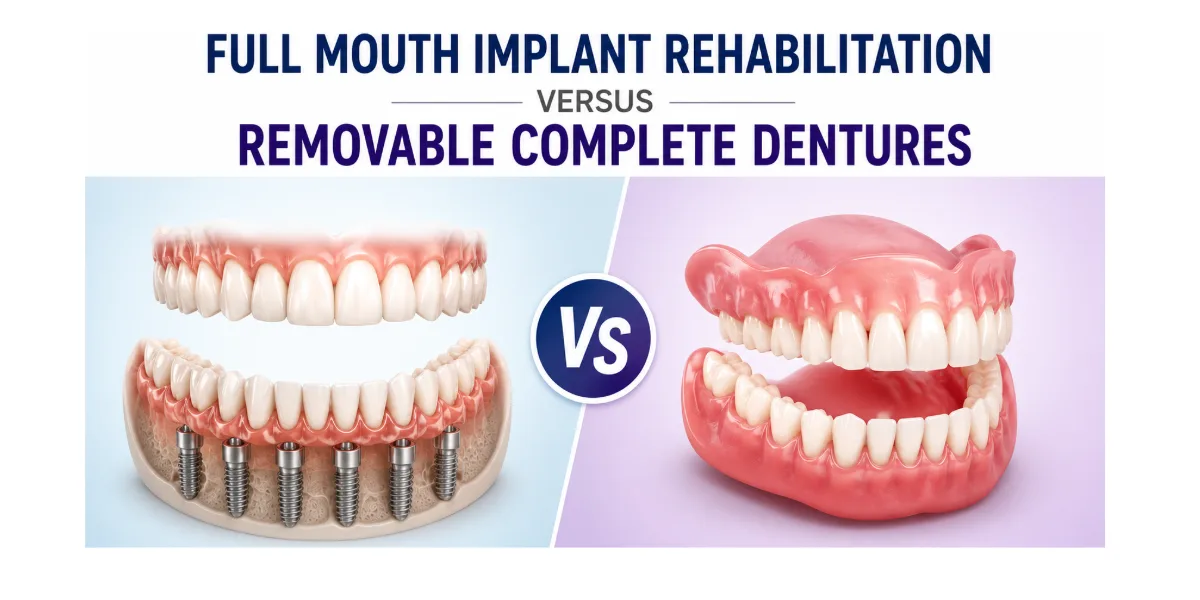
Today, two of the most common solutions for replacing an entire set of missing teeth are Full Mouth Implant Rehabilitation and Removable Complete Dentures.
While both options can restore your smile, they differ significantly in terms of comfort, stability, appearance, chewing efficiency, maintenance requirements, and long-term oral health benefits. If you're considering replacing all your missing teeth, this guide by our doctors at Blossom Dental Clinic – Ahmedabad, will help you understand the differences between these treatment options and determine which solution may be right for you.
Understanding Full Mouth Implant Rehabilitation
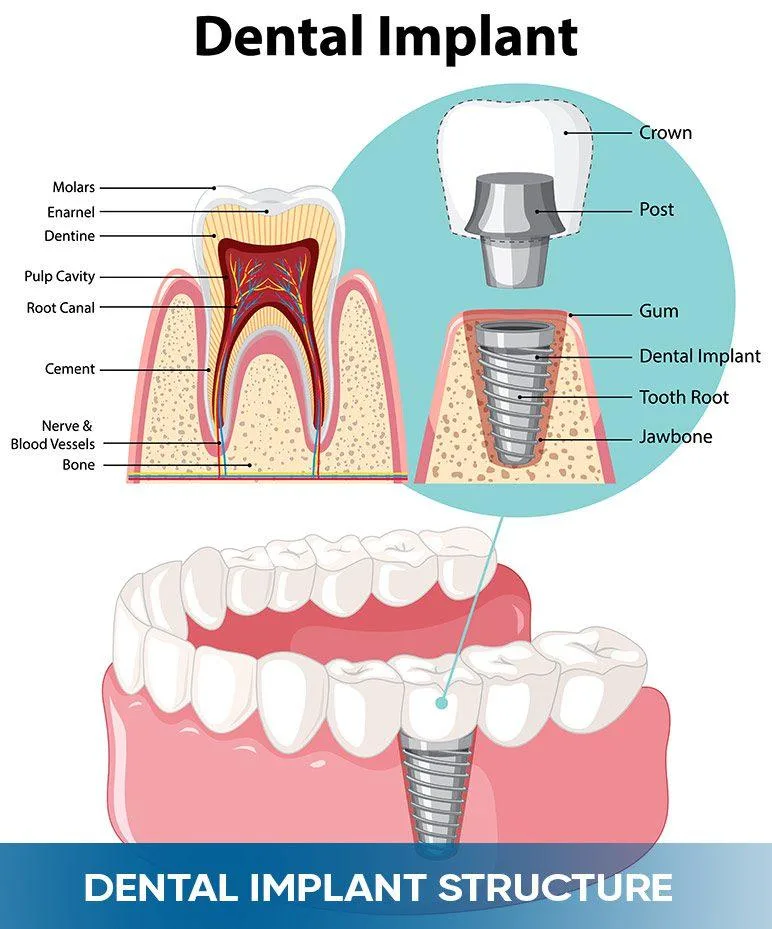
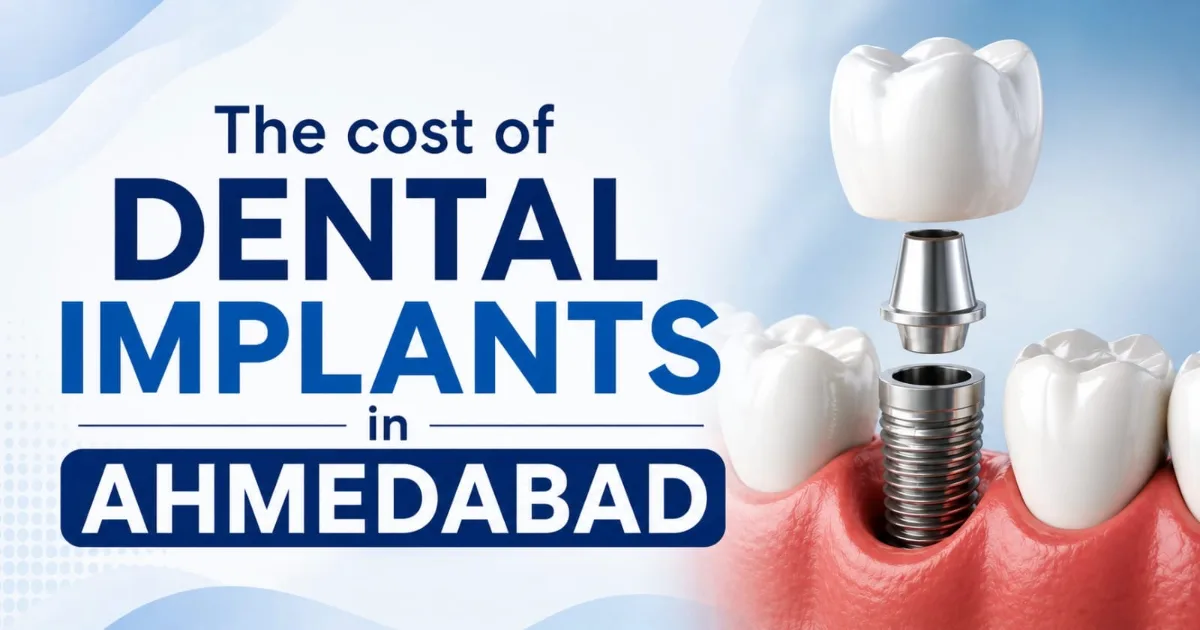
Full mouth implant rehabilitation is a comprehensive treatment that replaces all missing teeth using strategically placed dental implants. Dental implants are titanium posts that are surgically inserted into the jawbone, where they function as artificial tooth roots.
Once the implants integrate with the surrounding bone, they support a fixed prosthesis that closely resembles natural teeth in appearance and function. Depending on the patient's condition, treatments such as All-on-4, All-on-6, or implant-supported fixed bridges may be recommended.
Unlike traditional dentures, implant-supported teeth remain firmly attached and do not need to be removed for cleaning or sleeping. Many patients describe the experience as feeling remarkably similar to having natural teeth again.
What Are Removable Complete Dentures?
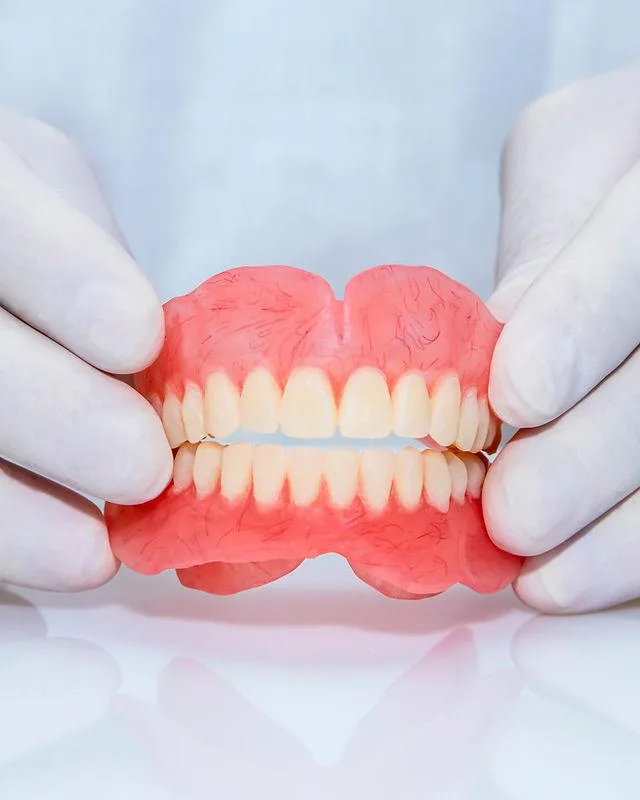
Complete dentures are removable prosthetic appliances designed to replace all teeth in one or both jaws. They rest directly on the gums and are typically retained through suction, muscle coordination, and sometimes denture adhesives.
Dentures have been used successfully for decades and remain a practical treatment option for many patients, particularly those seeking a non-surgical and more affordable solution. Modern dentures can look aesthetically pleasing and restore a patient's smile; however, because they are not anchored to the jawbone, they may not provide the same level of stability and function as dental implants.
Why Replacing Missing Teeth Matters
Many people assume that missing teeth are primarily a cosmetic issue. In reality, tooth loss affects much more than appearance. Without teeth, chewing efficiency decreases significantly, making it difficult to eat nutritious foods such as fruits, vegetables, nuts, and proteins. Speech can become less clear, and facial muscles lose support, often leading to a prematurely aged appearance. Additionally, the jawbone begins to shrink after tooth loss due to the absence of stimulation that natural tooth roots once provided.
Choosing the right tooth replacement solution is therefore about much more than simply restoring a smile—it is about restoring oral health, function, confidence, and overall quality of life.
Comfort and Stability: The Biggest Difference
One of the most common complaints among denture wearers is movement during daily activities. Dentures may shift while eating, speaking, laughing, or yawning, creating discomfort and self-consciousness. Over time, this problem often worsens because the jawbone gradually shrinks, causing dentures to become increasingly loose.
Full mouth dental implants eliminate this concern by anchoring directly into the jawbone. Because the prosthesis is securely attached to implants, patients can eat, speak, and smile without worrying about movement.
For many patients, this increased stability is the single most important advantage of implant rehabilitation.
Chewing Efficiency and Dietary Freedom
Imagine avoiding your favorite foods because your dentures may slip or become uncomfortable. Unfortunately, this is a reality for many denture wearers.
Research has consistently shown that conventional dentures provide significantly lower chewing efficiency compared to natural teeth. As a result, patients often modify their diet and avoid foods that require greater biting force.
Full mouth implants dramatically improve chewing performance because they transmit biting forces directly to the jawbone. This allows patients to comfortably enjoy a wider range of foods, including apples, nuts, corn on the cob, steaks, and other foods that are often difficult with removable dentures.
Improved chewing ability can also contribute to better nutrition and overall health.
Preserving Jawbone and Facial Structure
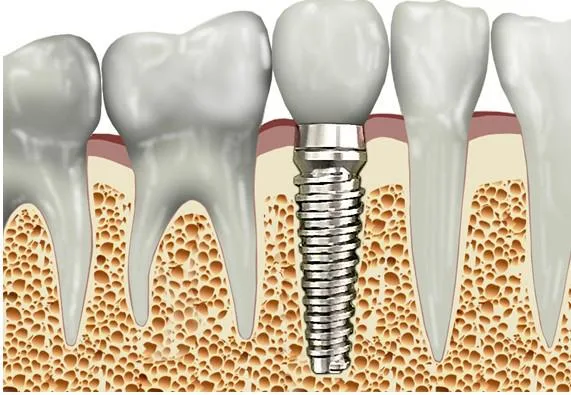
One of the lesser-known consequences of tooth loss is progressive bone loss. Natural tooth roots stimulate the jawbone every time you chew. Once teeth are lost, this stimulation disappears, causing the bone to gradually shrink over time.
This bone loss can lead to:
- A collapsed facial appearance
- Sunken cheeks
- Increased wrinkles around the mouth
- Reduced denture stability
- Premature aging of facial features
Dental implants are currently the only tooth replacement option that helps preserve jawbone by providing functional stimulation similar to natural roots. As a result, implant patients often maintain better facial support and a more youthful appearance over the long term.
Appearance and Natural-Looking Results
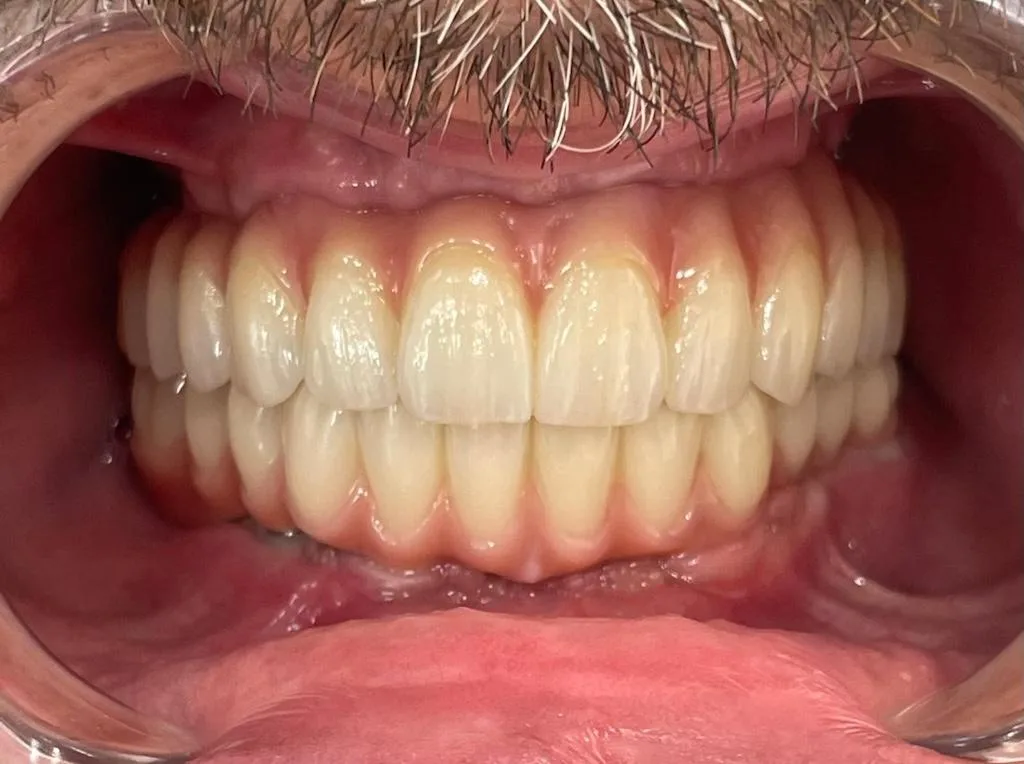
Both dentures and implant-supported prostheses can improve appearance significantly. However, implant-supported restorations generally provide a more natural result because they remain fixed and emerge naturally from the gums. Patients do not need to worry about visible denture movement while talking or laughing.
Additionally, modern implant-supported restorations are customized to match facial features, smile design, lip support, and aesthetics, helping create a natural and confident smile.
Speech and Social Confidence
Missing teeth and unstable dentures can interfere with speech. Certain sounds become difficult to pronounce, and patients may feel anxious about their dentures moving during conversations.
Because implant-supported teeth remain fixed in place, speech often feels more natural and predictable. Many patients report that after full mouth implant rehabilitation, they regain confidence in social situations, business meetings, family gatherings, and public speaking.
Maintenance and Daily Care
Complete dentures require daily removal for cleaning and must usually be stored in water overnight. Over time, adjustments and relining may be necessary to compensate for changes in the jawbone.
Full mouth implant restorations are maintained similarly to natural teeth. Patients can brush and clean around their prosthesis using recommended oral hygiene aids and continue regular dental check-ups. While implant-supported restorations still require professional maintenance, many patients appreciate the convenience of not having to remove their teeth every day.
Long-Term Durability
When properly planned and maintained, dental implants can provide decades of reliable function. The prosthetic teeth attached to the implants may eventually require repair or replacement due to normal wear, but the implants themselves are designed to serve as a long-term foundation.
Dentures, on the other hand, frequently require relining, adjustments, or replacement because of ongoing bone loss and changes in the shape of the gums.
For patients seeking a long-term solution, implant rehabilitation often offers greater stability and predictability.
Cost: Understanding the Investment
One of the primary reasons patients consider dentures is affordability. Conventional dentures generally have a lower initial treatment cost and can often be fabricated relatively quickly.
Full mouth implant rehabilitation requires a greater upfront investment because it involves surgery, advanced planning, implant placement, and custom prosthetic fabrication.
However, many patients view implants as an investment in their health, comfort, confidence, and quality of life. When considering treatment options, it is important to evaluate both short-term costs and long-term benefits.
Who Is a Good Candidate for Full Mouth Dental Implants?
You may be a suitable candidate for full mouth implant rehabilitation if:
- You have lost all or most of your teeth.
- You are dissatisfied with loose dentures.
- You want a fixed, permanent solution.
- You wish to improve chewing ability and speech.
- You are looking for the most natural-feeling tooth replacement option.
- You have sufficient bone volume or are willing to undergo bone augmentation procedures if necessary.
A detailed clinical examination, digital imaging, and treatment planning consultation are necessary to determine candidacy.
Full Mouth Implants vs Dentures: A Quick Summary
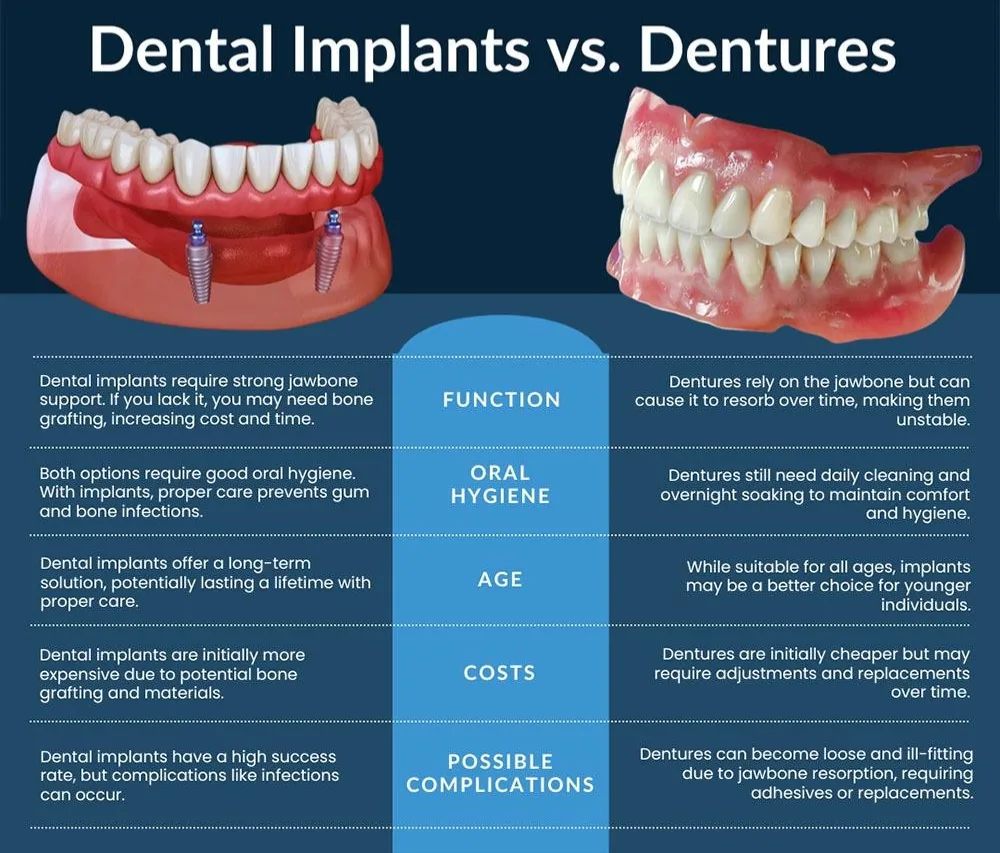
When comparing both options, dentures may be attractive because they are more affordable and non-surgical. However, they may become loose over time and do not prevent jawbone loss.
Full mouth implant rehabilitation offers superior stability, chewing efficiency, aesthetics, confidence, and long-term oral health benefits. Although the initial investment is higher, many patients find that the improved quality of life makes implants the preferred choice.
Final Thoughts
Choosing between full mouth implant rehabilitation and removable complete dentures is one of the most important decisions you can make regarding your oral health.
While dentures remain a valuable treatment option for certain patients, dental implants have transformed the way we restore missing teeth. By providing a stable, natural-looking, and long-lasting solution, full mouth implants allow patients to eat, speak, smile, and live with confidence once again.
If you are considering full mouth dental implants in Ahmedabad or would like to explore alternatives to removable dentures, a consultation with our experts at Blossom Dental Clinic can help you understand your options and create a customized treatment plan according to your needs.
At Blossom Dental Clinic – Orthodontic & Implant Centre, Ahmedabad, we provide advanced solutions for full-mouth rehabilitation, All-on-4 dental implants, implant-supported prosthesis, smile makeovers, and comprehensive restorative dentistry. Using modern diagnostic technology and evidence-based treatment planning, our goal is to help patients regain healthy, functional, and confident smiles that last for years.