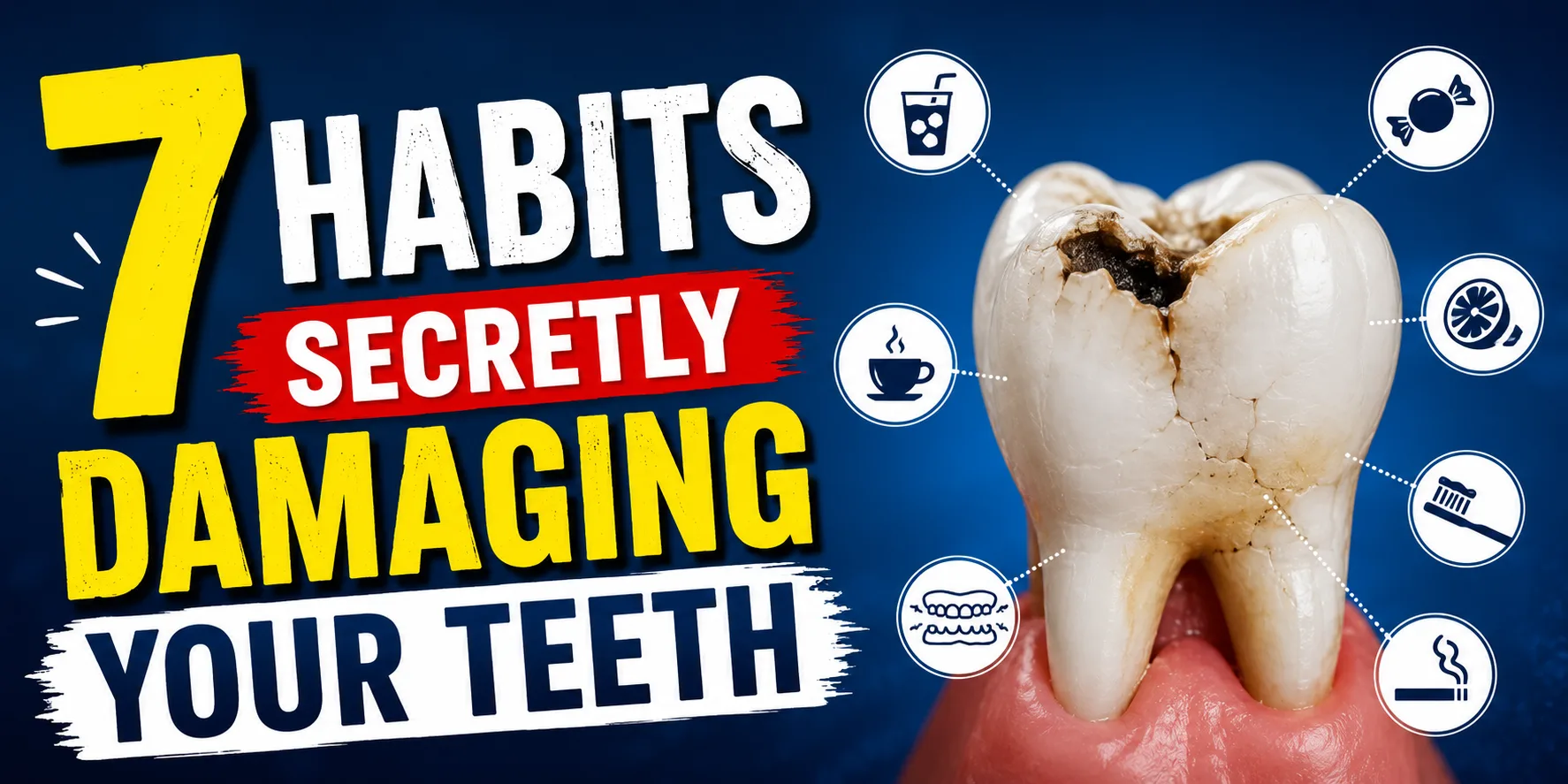
Most people believe they are taking good care of their teeth simply by brushing twice a day. While brushing is important, many everyday habits quietly damage your teeth and gums over time without causing immediate pain. By the time symptoms appear, the damage may already be significant. From aggressive brushing to frequent snacking and stress-related teeth grinding, small daily habits can slowly weaken enamel, irritate gums, and increase the risk of cavities and tooth fractures.
Understanding these hidden habits can help you protect your smile and avoid unnecessary dental treatments in the future.
1. Brushing Too Hard
Brushing your teeth aggressively may feel like you are cleaning them more effectively, but excessive force can actually damage your teeth and gums.
Your enamel — the outer protective layer of your teeth — is strong, but it can gradually wear down if you brush too hard every day. Aggressive brushing also causes gum recession, exposing the sensitive root surfaces underneath.
Common Signs of Overbrushing
- Tooth sensitivity to cold foods or drinks
- Gums appearing lower than before
- Notches near the gumline
- Toothbrush bristles fraying quickly
Why It Happens
Many people think stronger pressure removes more plaque. In reality, plaque is soft and can be removed effectively with gentle brushing techniques.
What You Should Do
- Use a soft-bristled toothbrush
- Brush gently in circular motions
- Avoid scrubbing back and forth aggressively
- Replace your toothbrush every 3 months
2. Frequent Snacking Throughout the Day
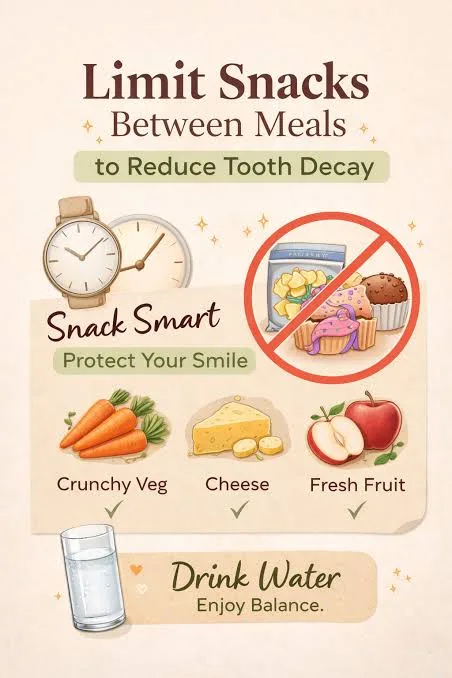
Every time you eat, bacteria in your mouth feed on food particles and produce acids. These acids attack your tooth enamel for about 20–30 minutes after eating. When you snack frequently throughout the day, your teeth are constantly exposed to acid attacks, increasing the risk of cavities.
Foods That Commonly Cause Problems
- Chips and snacks
- Biscuits and cookies
- Chocolates and candies
- Sugary tea or coffee
- Sticky foods
Even foods that do not taste very sweet can contribute to tooth decay because many contain hidden sugars or starches.
Why Constant Snacking Is Harmful
Your saliva helps neutralize acids and protect your teeth. But if you keep eating repeatedly, your mouth does not get enough recovery time.
Better Habits
- Limit unnecessary snacking
- Drink plenty of water
- Rinse your mouth after eating
- Choose healthier snacks like fruits, nuts, or cheese
Reducing frequent snacking can significantly improve oral health.
3. Using Your Teeth as Tools
Many people unconsciously use their teeth to tear packets, open bottles, bite nails, or hold objects. Although teeth are strong, they are not designed for these tasks.
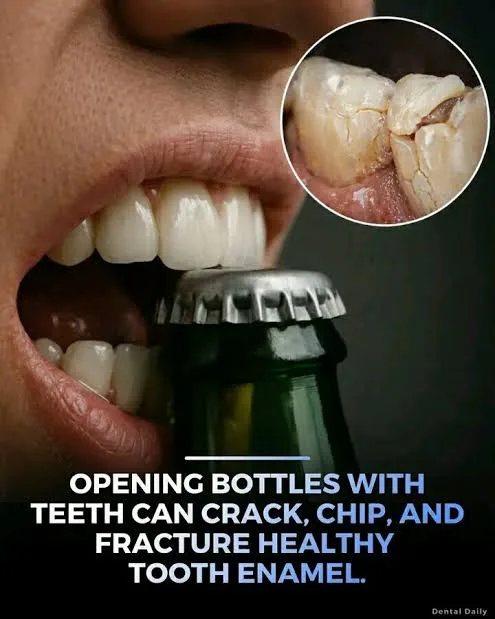
Risks of This Habit
- Chipped teeth
- Cracks or fractures
- Damage to fillings or crowns
- Jaw strain
Sometimes the damage may be microscopic at first but worsen gradually over time.
Nail Biting and Teeth
Nail biting not only wears down teeth but can also introduce bacteria into the mouth and increase pressure on the jaw joints.
What You Should Do Instead
Keep proper tools nearby and avoid putting unnecessary stress on your teeth.
Your teeth are meant for chewing food — not functioning as scissors or bottle openers.
4. Grinding or Clenching Your Teeth
Teeth grinding, also known as bruxism, is one of the most common hidden causes of dental damage. Many people grind or clench their teeth during sleep without even realizing it. Stress, anxiety, and sleep disturbances are common causes.

Signs of Teeth Grinding
- Morning headaches
- Jaw pain or tightness
- Clicking sounds in the jaw
- Flattened or worn teeth
- Tooth sensitivity
Long-Term Effects
Continuous grinding can:
- Wear down enamel
- Cause tooth fractures
- Damage dental restorations
- Create jaw joint problems (TMJ issues)
How Dentists Help
A dentist may recommend:
- A night guard
- Bite correction if needed
Early treatment can prevent severe tooth wear.
5. Drinking Too Many Acidic Beverages
Acidic drinks slowly dissolve enamel over time, making teeth weaker and more sensitive. Many people know soft drinks are harmful, but even seemingly healthy drinks can damage enamel if consumed excessively.
Common Acidic Drinks
- Soft drinks
- Energy drinks
- Packaged fruit juices
- Lemon water
- Sports drinks
Why Acid Matters
Enamel does not regenerate naturally once it is lost. Acid erosion can make teeth yellowish, sensitive and more prone to cavities.
Healthy Tips
- Avoid sipping acidic drinks slowly over long periods
- Drink water afterward
- Use a straw when possible
- Wait 30 minutes before brushing after acidic drinks
Brushing immediately after acidic beverages can worsen enamel wear because the enamel is temporarily softened.
6. Skipping Flossing
Many people brush daily but ignore flossing completely. Unfortunately, brushing alone cannot clean the tight spaces between teeth where plaque and food debris collect.
Problems Caused by Poor Interdental Cleaning
- Cavities between teeth
- Bad breath
- Swollen gums
- Gum disease
Why Flossing Matters
The spaces between teeth are common areas where decay begins unnoticed. Flossing removes plaque from areas your toothbrush cannot reach.
Tips for Better Flossing
- Floss gently once a day
- Avoid snapping floss into the gums
- Use floss picks if traditional floss feels difficult
7. Ignoring Early Warning Signs
One of the biggest mistakes people make is delaying dental visits until the pain becomes severe. Unfortunately, many dental problems are painless in the early stages.
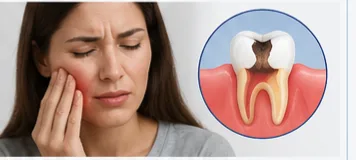
Symptoms People Often Ignore
- Mild tooth sensitivity
- Occasional bleeding gums
- Food getting stuck repeatedly
- Small black spots on teeth
- Bad breath
Why Early Treatment Matters
Small dental problems usually become larger and more expensive when ignored.
For example:
- A small cavity may eventually require a root canal
- Mild gum inflammation can progress to gum disease
- Small cracks can become tooth fractures
Importance of Regular Dental Check-Ups
Routine dental visits help detect issues before they become serious, painful, or costly. Preventive care is always easier than extensive treatment.
Final Thoughts
Your oral health is influenced not only by brushing but also by your everyday habits. Many seemingly harmless routines can slowly weaken your teeth and gums over time. The good news is that small lifestyle changes can make a huge difference. Gentle brushing, healthy eating habits, regular flossing, and timely dental check-ups can help maintain a strong and healthy smile for years.
If you notice tooth sensitivity, bleeding gums, jaw pain, or any other dental concerns, seeking professional dental advice early can help prevent long-term complications.
For professional dental care and preventive check-ups, visit Blossom Dental Clinic, Bodakdev - Ahmedabad or consult with the team at Blossom Dental Clinic.