


Skip to content

Dental Treatment Guide

Simple, honest explanations of every treatment we offer

Understanding Your Treatment

We believe an informed patient is a confident patient. Click any treatment below to read everything you need to know — in plain language, no jargon.

What is orthodontic treatment?

Orthodontic treatment is the process of straightening your teeth and correcting the way your upper and lower teeth bite together. It's not just about looks — properly aligned teeth are easier to clean, less prone to wear, and better for your jaw joints in the long run.

What are my options?

  • Metal braces – The most common and cost-effective option. Strong stainless-steel brackets bonded to your teeth, connected by archwires. Highly effective for complex cases.
  • Ceramic braces – Same as metal braces but with tooth-coloured or clear brackets. Much less visible while being just as effective.
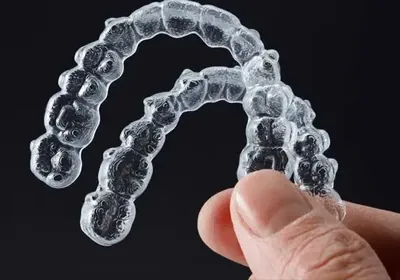
  • Clear aligners (Invisalign / Illusion) – A series of custom-made, removable, transparent trays that gradually shift your teeth. Nearly invisible and more comfortable. Best for mild to moderate corrections.

How long does treatment take?

Treatment duration depends on the complexity of your case. Simple cases can be done in 6–9 months. Most patients complete treatment in 12–18 months. Complex cases can take up to 24 months. Our orthodontists will give you an accurate estimate after your initial assessment.

Does it hurt?

There is mild discomfort for a day or two after each adjustment — this is normal and means the treatment is working. Over-the-counter pain relievers easily manage it. Most patients get used to the feeling within the first couple of weeks.

Who are our orthodontists?

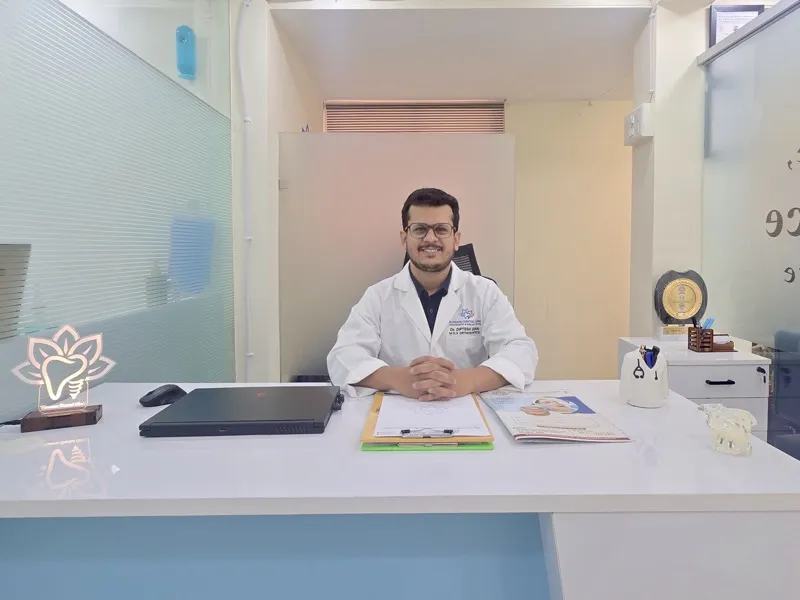
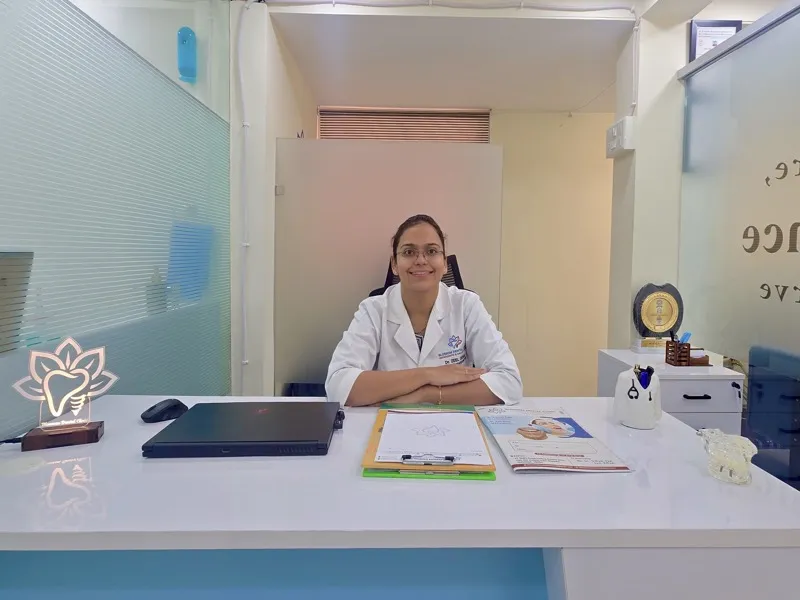
Both Dr. Zeel Desai and Dr. Diptesh Guha hold MDS degrees in Orthodontics & Dentofacial Orthopaedics — the highest postgraduate qualification in orthodontics. You are in specialist hands.

Book Orthodontic Consultation

What is a dental implant?

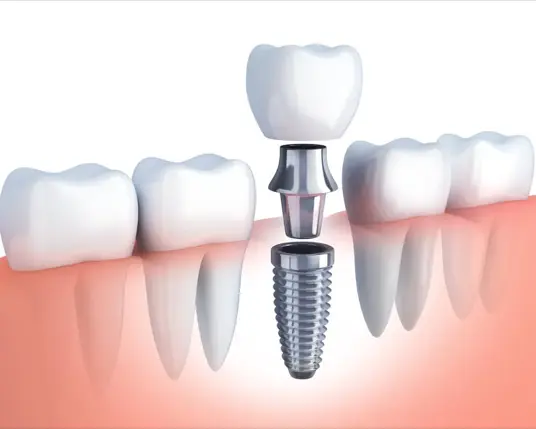
A dental implant is a small titanium screw that is placed into your jawbone to replace the root of a missing tooth. A custom-made crown is then attached on top, giving you a tooth that looks, feels, and functions exactly like a natural one.

Why choose implants over dentures or bridges?

  • Implants are permanent and don't need to be removed
  • They preserve your jawbone — tooth loss causes bone to shrink over time
  • No impact on neighbouring teeth (unlike a bridge, which requires filing adjacent teeth)
  • With proper care, implants can last a lifetime

What does the procedure involve?

The implant is placed under local anaesthesia — you won't feel pain during the procedure. The titanium screw then fuses with your jawbone over 2–3 months (a process called osseointegration). Once healed, the crown is attached. The entire journey from placement to final tooth typically takes 3–6 months.

Will it be painful?

The procedure itself is done under anaesthesia and is comfortable. Post-operatively, there may be mild soreness for 2–3 days, which is well-managed with prescribed medication. Most patients return to normal activity the next day.

Am I a candidate?

Most healthy adults with sufficient jawbone are good candidates. Conditions like uncontrolled diabetes or active gum disease need to be managed first. An assessment with our doctor will determine suitability.

Book Implant Consultation

What causes teeth to discolour?

Teeth naturally yellow with age as the outer enamel thins and the inner dentine (which is naturally yellow) shows through. Food and drinks like coffee, tea, red wine, and tobacco stain the enamel surface over time. Certain medications and excessive fluoride can also cause discolouration.

What does professional whitening involve?

Professional whitening uses a hydrogen peroxide or carbamide peroxide gel at concentrations much higher than any over-the-counter product. At Blossom Dental, we offer in-clinic bleaching where the gel is applied to your teeth and activated, delivering results in a single visit. We also offer custom take-home trays for gradual whitening at your convenience.

How white will my teeth get?

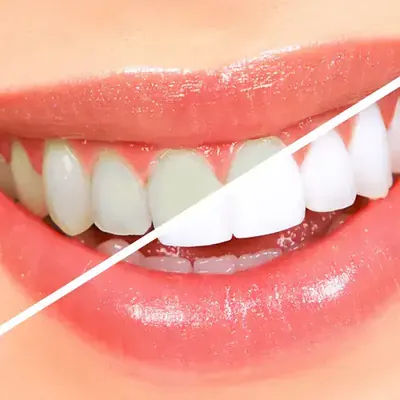
Results vary depending on the type and degree of staining. On average, teeth lighten by 4–8 shades. Surface stains from coffee and tea respond best. Deeper, intrinsic stains may require multiple sessions or alternative treatments like veneers.

Is it safe? Will my teeth become sensitive?

Professional whitening performed by a dentist is safe. Temporary sensitivity or a mild tingling sensation during treatment is common and resolves within 24–48 hours. We use desensitising agents to minimise discomfort.

How long do results last?

With good oral hygiene and limiting staining foods/drinks, results typically last 1–2 years. A simple top-up treatment keeps your smile bright for longer.

Book Whitening Appointment

What is smile design?

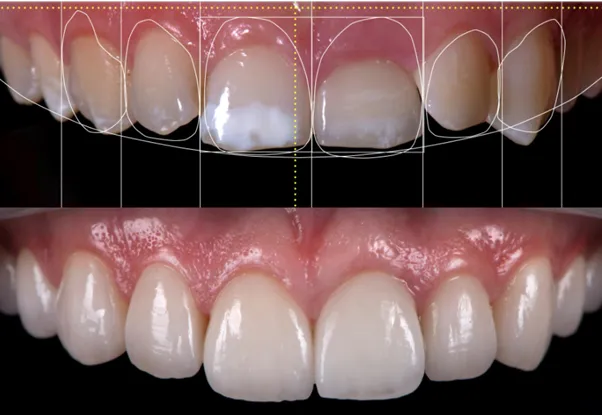
Smile design (also called a smile makeover) is a personalised treatment plan that combines multiple cosmetic and restorative procedures to completely transform the appearance of your smile. It takes into account your facial features, skin tone, lip shape, and personal preferences to create a result that looks natural and uniquely yours.

What treatments are typically involved?

  • Porcelain veneers – Ultra-thin shells bonded to the front of teeth to change shape, size, colour, and spacing
  • Teeth whitening – To achieve the ideal shade as a base
  • Crowns – For heavily damaged or misshapen teeth
  • Gum contouring – To reshape the gum line for a more even, aesthetic smile
  • Orthodontics – To correct alignment before cosmetic work

How does the process work?

We begin with a detailed consultation and photographs. Using digital smile design technology, we show you a preview of your new smile before any treatment begins. You are involved in every decision — the colour, shape, and length of your teeth. Once you are happy with the design, we proceed with the agreed treatment plan.

How long does it take?

Simple smile designs involving whitening and minor reshaping can be completed in 2–3 visits. More comprehensive makeovers involving veneers and orthodontics may take a few months. We will give you a clear timeline at your consultation.

Book Smile Design Consultation

What is a root canal?

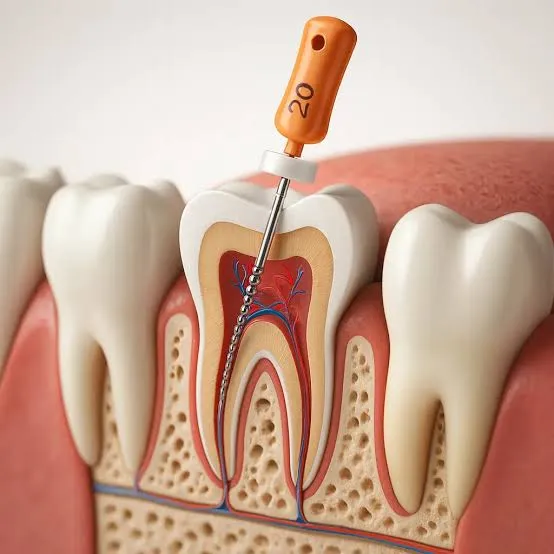
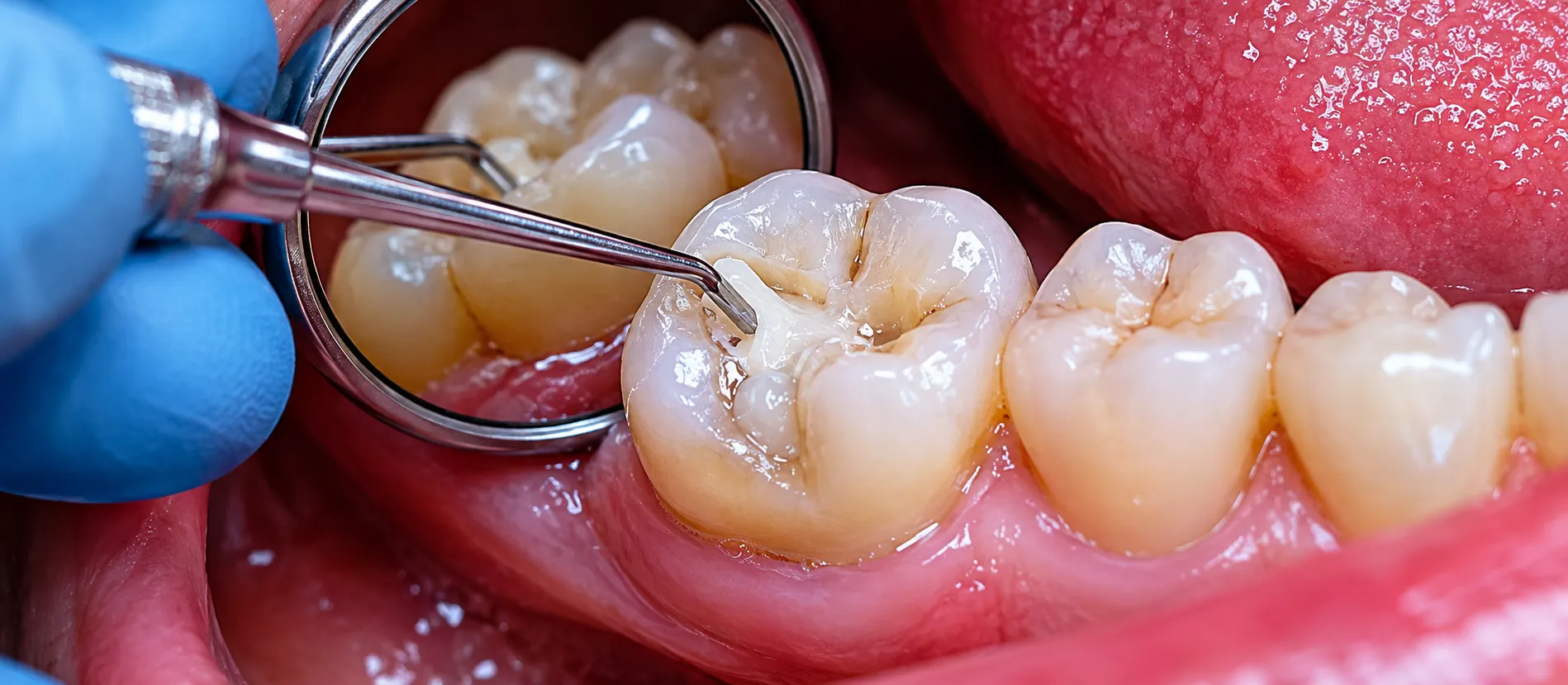
Inside every tooth is a soft tissue called the pulp, which contains nerves and blood vessels. When this pulp becomes infected or inflamed — due to deep decay, a crack, or trauma — a root canal treatment (RCT) is needed to remove the infected tissue, clean the canals, and seal the tooth to prevent re-infection.

Do I need a root canal?

Common signs include: a severe toothache, prolonged sensitivity to hot or cold, a darkening tooth, swelling around the gum, or a persistent pimple on the gum. Sometimes there are no symptoms at all and the infection is only visible on an X-ray — which is why regular check-ups matter.

Is it painful?

This is the most common concern — and the good news is that root canal treatment today is no more uncomfortable than getting a filling. We use effective local anaesthesia so you feel nothing during the procedure. The discomfort you may be feeling before the RCT (from the infection) is far worse than the treatment itself. Most patients are surprised at how easy it is.

What happens after the treatment?

After cleaning and sealing the canals, the tooth is typically restored with a crown to protect it from fracture. A root-canal-treated tooth can last just as long as a natural tooth with proper care. There may be mild soreness for 2–3 days post-procedure, which resolves with standard pain medication.

Why save the tooth instead of extracting it?

Keeping your natural tooth is always the best option. Extractions can lead to shifting of neighbouring teeth, bone loss, and the need for a more expensive replacement (implant or bridge). A root canal saves your tooth and your investment.

Book Root Canal Consultation

When should my child first visit a dentist?

Ideally, your child's first dental visit should be around their first birthday or when their first tooth appears. Early visits help identify any developmental concerns, establish good habits, and — most importantly — make your child comfortable with the dental environment from a young age.

Why do milk teeth matter?

Many parents assume milk (baby) teeth aren't important because they fall out anyway. This is a common misconception. Milk teeth hold space for the permanent teeth. If a milk tooth is lost too early due to decay, the neighbouring teeth drift into the gap — causing crowding and misalignment of permanent teeth. Decay in milk teeth can also spread to permanent teeth and cause pain that affects eating, speaking, and concentration at school.

What treatments do we offer for children?

  • Dental check-ups and cleaning – Regular monitoring of tooth and jaw development
  • Fillings – Tooth-coloured composite fillings for cavities
  • Fluoride treatment – Strengthens enamel and prevents cavities
  • Fissure sealants – A protective coating on the grooves of back teeth where decay commonly occurs
  • Space maintainers – Hold the gap after early tooth loss to guide permanent teeth correctly
  • Habit correction – Thumb sucking, tongue thrusting, and mouth breathing can affect jaw development; we guide correction early

Is the environment child-friendly?

Absolutely. We make every effort to ensure children feel calm and relaxed. We explain everything in simple terms, take it at their pace, and never rush. Building a positive relationship with dental visits early in life pays off for a lifetime of good oral health.

Book Children's Appointment

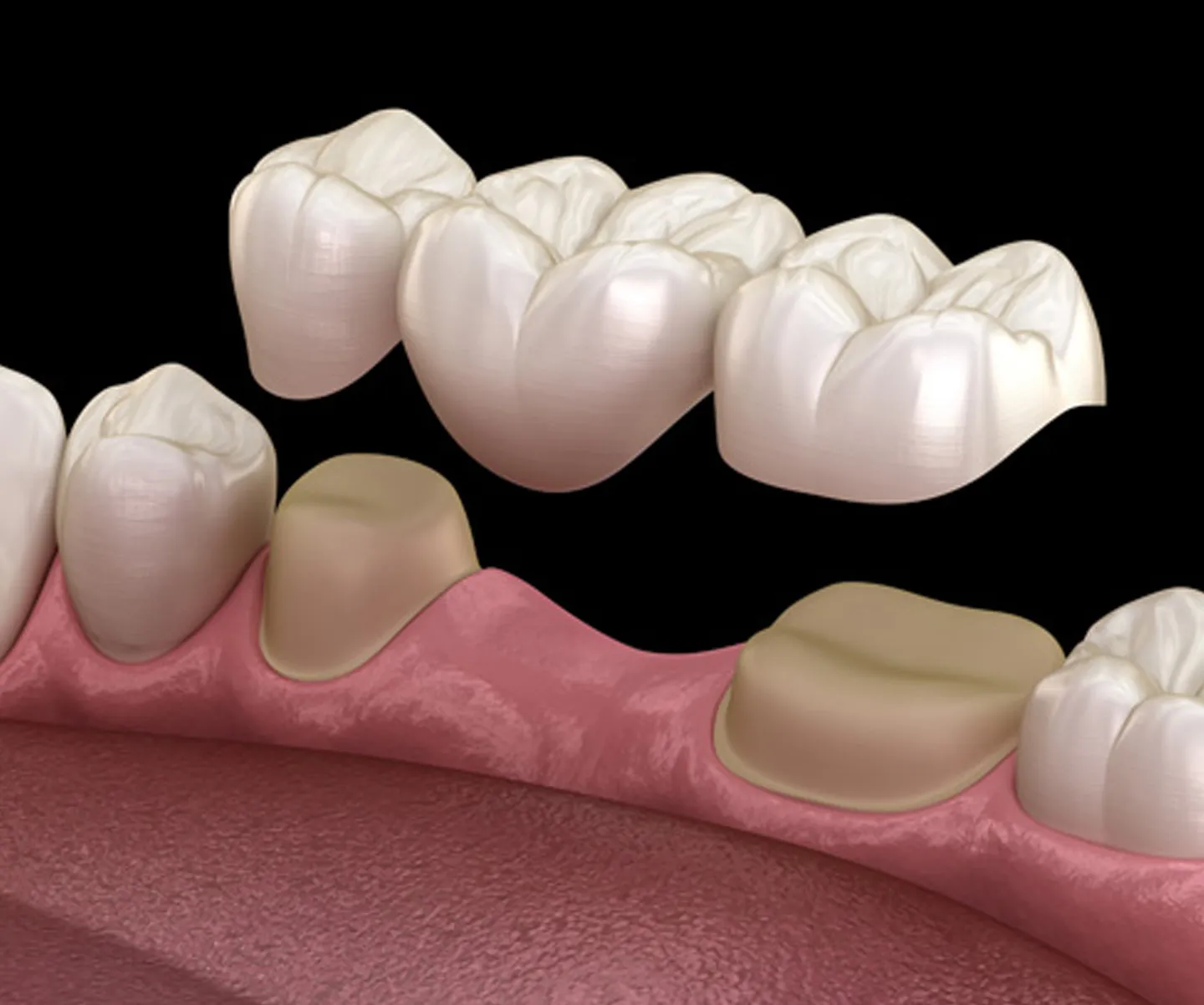
What is a dental crown?

A crown (also called a cap) is a custom-made cover that fits over a damaged, weakened, or discoloured tooth. It restores the tooth's shape, size, strength, and appearance. Crowns are recommended for teeth that are severely decayed, cracked, have had a root canal, or are badly stained.

What is a dental bridge?

A bridge is used to replace one or more missing teeth. It consists of artificial teeth anchored to the natural teeth (or implants) on either side of the gap. The anchor teeth are fitted with crowns that hold the bridge in place. A bridge is a fixed, non-removable restoration — unlike dentures.

What materials are used?

  • Zirconia crowns – The gold standard today. Extremely strong, metal-free, and beautifully natural looking. These are what we recommend for most patients.
  • PFM (Porcelain Fused to Metal) – A traditional option with a metal base and porcelain exterior. Durable but can show a dark line at the gum over time.
  • Full ceramic / E-max – Highly aesthetic, ideal for front teeth.

How long does it take?

Typically 2 visits: the first to prepare the tooth and take impressions, and the second (about 5–7 days later) to fit the permanent crown or bridge. We provide a temporary crown in between so you're never without a tooth.

Book Consultation

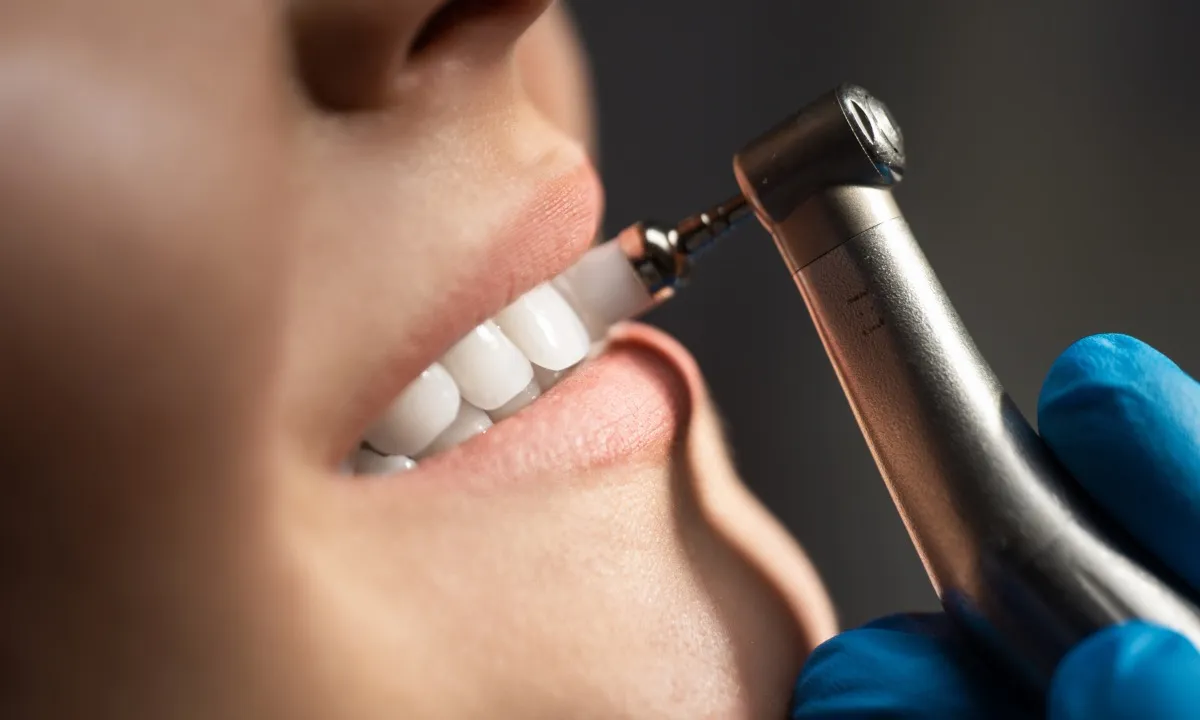
What is scaling?

Even with excellent brushing and flossing, mineral deposits called tartar (calculus) build up on teeth over time — particularly near the gum line and between teeth. Unlike plaque (soft), tartar is hard and cannot be removed by brushing alone. Scaling is a professional cleaning procedure that removes this build-up using ultrasonic instruments.

What is polishing?

After scaling, a professional polishing removes surface stains from tea, coffee, and tobacco and leaves your teeth feeling smooth and clean. The smooth surface also makes it harder for new plaque to stick — giving you a head start on your oral hygiene routine.

Why is it important?

Tartar build-up is the primary cause of gum disease (gingivitis and periodontitis). Left untreated, gum disease causes bleeding gums, bad breath, receding gums, and ultimately tooth loss. Regular professional cleaning every 6 months is the most effective way to prevent this and maintain long-term oral health.

Does it hurt?

Scaling is generally comfortable. In cases where there is significant build-up or gum inflammation, there may be mild sensitivity during the procedure. We can apply topical anaesthetic if needed. Most patients find it satisfying rather than uncomfortable.

How often should I get it done?

We recommend a professional cleaning every 6 months for most patients. Those with active gum disease or a higher tendency for tartar build-up may need it every 3–4 months.

Book Cleaning Appointment

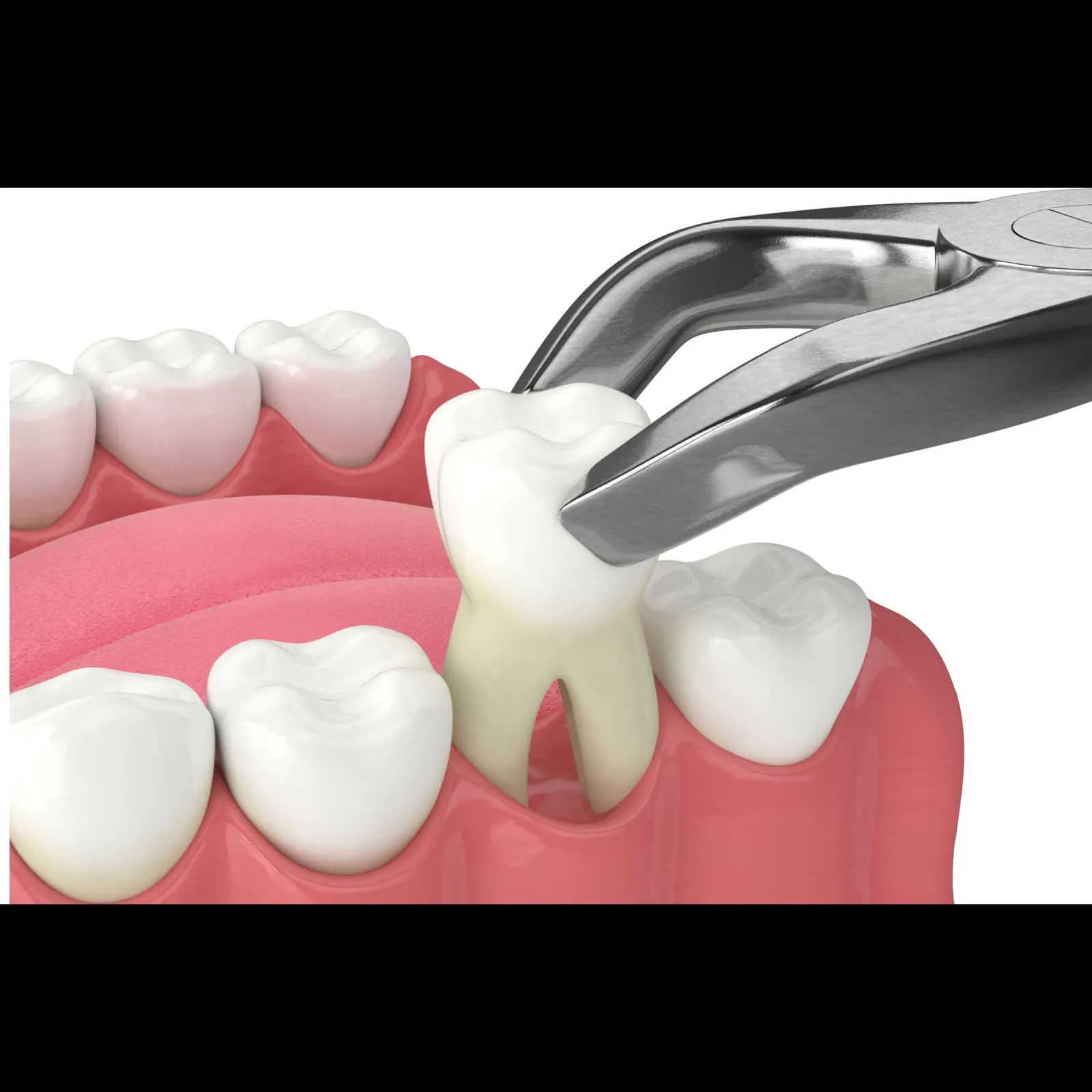
When is a tooth extraction necessary?

We always aim to save a tooth first — through fillings, root canals, or crowns. Extraction becomes necessary when a tooth is too severely damaged or decayed to be restored, when there is advanced bone loss from gum disease, for orthodontic treatment where spacing is required, or when a wisdom tooth is impacted or causing problems.

What is a wisdom tooth extraction?

Wisdom teeth (third molars) typically emerge between the ages of 17–25. When they don't have enough room to grow properly, they become impacted — stuck partially or fully under the gum. This can cause pain, infection, cysts, and damage to neighbouring teeth. Removal is recommended in these cases.

Is the extraction painful?

Extractions are performed under local anaesthesia — you will feel pressure and movement, but no pain. For anxious patients or complex surgical cases, we ensure maximum comfort throughout. Post-operatively, soreness and mild swelling for 2–3 days is normal and well managed with prescribed medication and cold compresses.

What should I do after an extraction?

  • Bite gently on the gauze for 30–45 minutes to allow clot formation
  • Avoid rinsing forcefully, spitting, or using a straw for 24 hours
  • Eat soft, cool foods for the first 24 hours
  • Avoid smoking — it significantly impairs healing
  • If bleeding doesn't stop or pain worsens after 48 hours, call us

What about replacing the extracted tooth?

After extraction, we strongly recommend replacing the missing tooth with an implant or bridge to prevent bone loss and shifting of other teeth. We will discuss your options at the time of treatment.

Book Consultation

What are dental veneers?

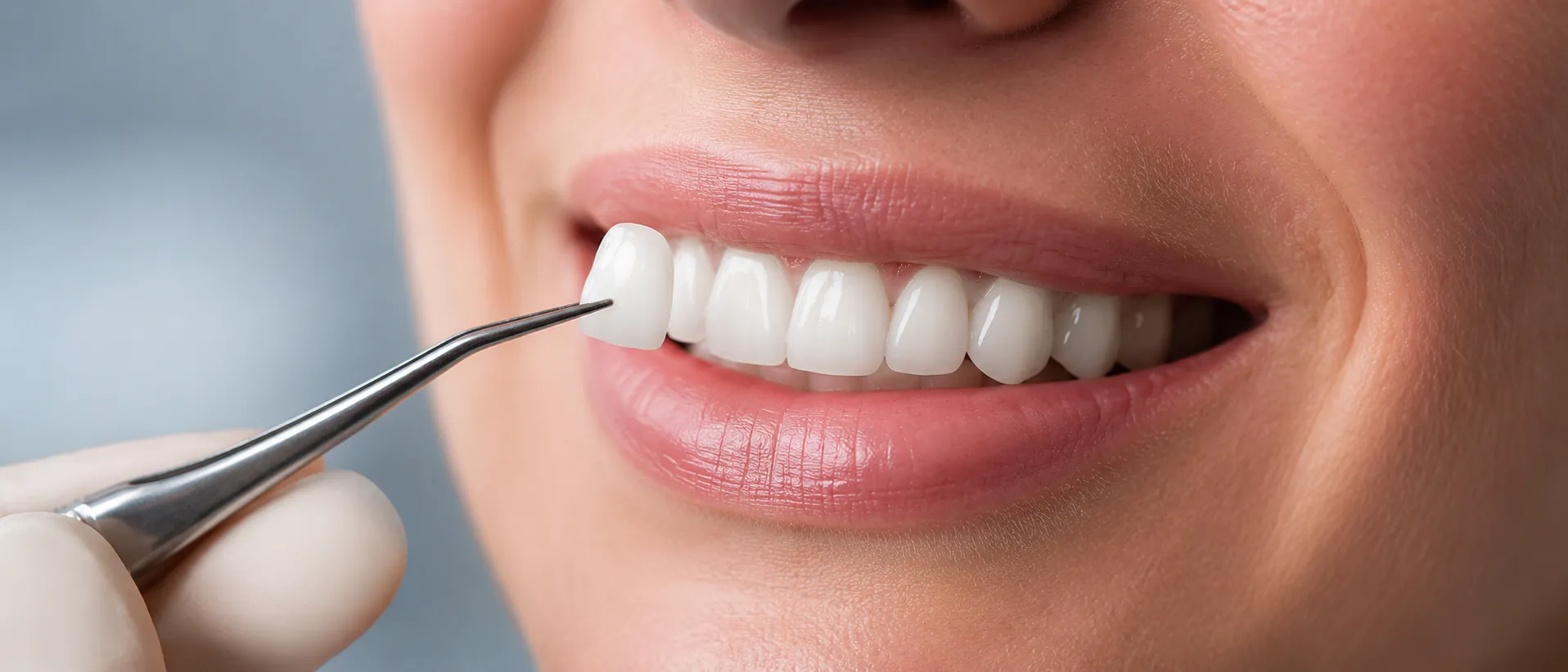
Dental veneers are ultra-thin shells — made from porcelain or composite resin — that are bonded to the front surface of your teeth. They instantly change the shape, size, colour or spacing of your teeth, giving a dramatic cosmetic improvement. At Blossom Dental Clinic in Bodakdev/Vastrapur, Ahmedabad, our doctors Dr Zeel Desai and Dr Diptesh Guha use high-quality porcelain veneers for natural-looking, long-lasting results.

When are veneers recommended?

  • Chipped, cracked or worn teeth
  • Gaps between teeth that don't require orthodontics
  • Permanent discolouration that teeth whitening cannot fix
  • Mildly crooked or uneven teeth where braces are not needed
  • A complete smile makeover as part of a smile design plan

How is the procedure done?

The process typically takes two visits. In the first visit, a thin layer of enamel is gently removed from the front of the teeth and precise impressions are taken. Custom veneers are then crafted in a dental laboratory. At the second visit (about 5–7 days later), the veneers are bonded permanently to your teeth. We provide temporary veneers in between so you are never without a natural-looking smile.

How long do veneers last?

Porcelain veneers last 10–15 years with good oral care. Composite veneers last 5–7 years. Avoid biting hard objects like ice or opening bottles with your teeth to maximise their lifespan.

Veneers vs crowns — what's the difference?

Veneers cover only the front surface of a tooth and require minimal enamel removal. Crowns cover the entire tooth and are used when the tooth is structurally damaged. Veneers are the better choice when the tooth is healthy and only the cosmetic appearance needs improvement.

Book Veneer Consultation

What is gum disease?

Gum disease is an infection of the tissues that hold your teeth in place. It starts as gingivitis (early stage) — red, swollen gums that bleed when you brush. If untreated, it progresses to periodontitis (advanced stage), where the bone supporting your teeth is destroyed, eventually leading to tooth loss. It is one of the most common dental problems we treat at Blossom Dental Clinic in Bodakdev/Vastrapur, Ahmedabad.

What are the signs?

  • Bleeding gums while brushing or flossing
  • Red, swollen or tender gums
  • Persistent bad breath (halitosis)
  • Receding gums — teeth looking longer than before
  • Loose or shifting teeth
  • Pus between teeth and gums

What causes gum disease?

The primary cause is plaque and tartar build-up from inadequate oral hygiene. Other risk factors include smoking, diabetes, hormonal changes (such as during pregnancy), certain medications that reduce saliva flow, family history, and a weakened immune system.

How is it treated?

In early stages, professional scaling (cleaning) and improved home care can fully reverse gingivitis. For advanced periodontitis, deep cleaning (root planing) is performed to remove tartar below the gum line, followed by medication. In severe cases, gum surgery may be needed. Our doctors Dr Zeel Desai and Dr Diptesh Guha will assess the severity and recommend the right treatment plan.

Can gum disease be reversed?

Gingivitis is fully reversible with professional cleaning and proper daily brushing and flossing. However, periodontitis causes permanent bone loss that cannot be fully reversed — it can only be managed and stabilised. This is why early detection through regular dental check-ups is critical.

Book Gum Check-up

Severe toothache

Rinse your mouth with warm salt water to clean the area. Take an over-the-counter painkiller such as ibuprofen. You can apply clove oil to the affected tooth for temporary relief. Do not place aspirin directly on the gum — it can burn the tissue. Contact Blossom Dental Clinic in Bodakdev/Vastrapur, Ahmedabad as soon as possible.

Knocked-out tooth

Pick up the tooth by the crown (the white part) — never touch the root. Rinse it gently with water without scrubbing. If possible, place it back into the socket and hold it there. If you cannot, keep it moist in a glass of milk or your own saliva. Reach our clinic within 30 minutes for the best chance of re-implantation. Time is critical.

Broken or chipped tooth

Rinse your mouth with warm water to clean the area. Apply a cold compress to the outside of your cheek to reduce swelling. Save any broken pieces if you can find them. Avoid chewing on that side and visit Blossom Dental Clinic as soon as possible. Our doctors Dr Zeel Desai and Dr Diptesh Guha can restore the tooth with bonding, a veneer, or a crown depending on the damage.

Loose cap

If the cap falls out, keep the cap safely, avoid chewing on that side, and visit a dentist within 2 days with the cap so your dentist can re-cement or replace the restoration.

Swelling or abscess

A dental abscess is a serious infection that can spread if untreated. Rinse with warm salt water to help draw the infection toward the surface. Take a painkiller for relief. Do not ignore it — contact us immediately on WhatsApp or call +91 92136 90164. Our dentists at Blossom Dental Clinic, Bodakdev/Vastrapur, Ahmedabad will drain the abscess, prescribe antibiotics if needed, and treat the underlying cause.

Call/WhatsApp for Emergency

Have more questions? Our team is always happy to help.

💬 Ask on WhatsApp Read Our Blog →
📅 Book Appointment