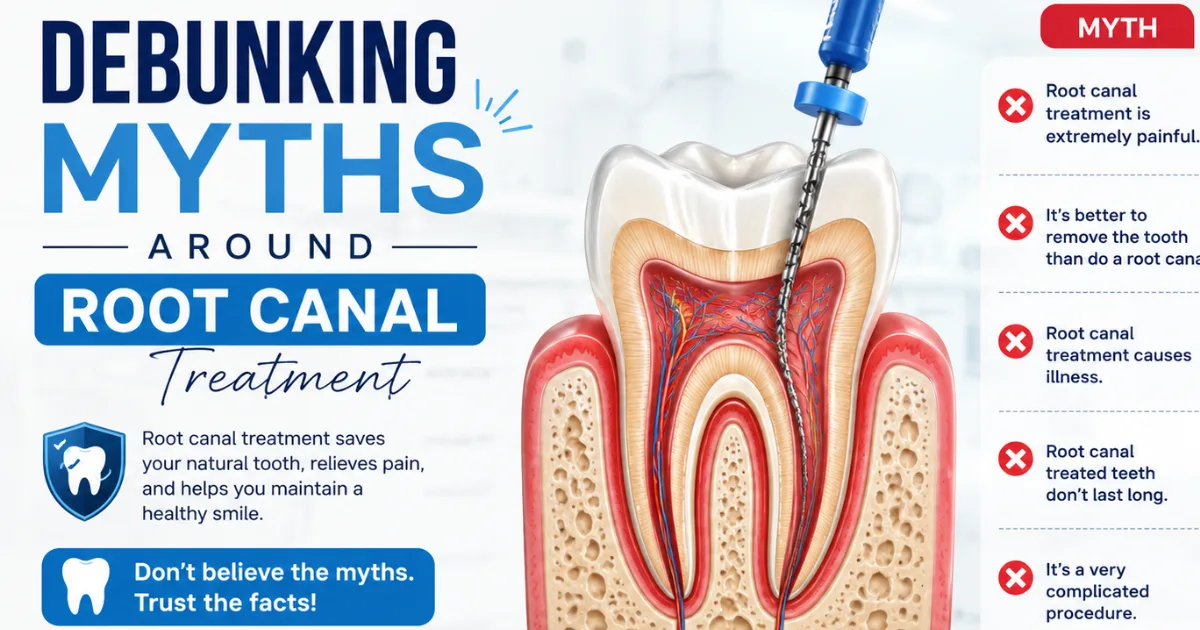
A severe toothache can disrupt your daily life, making it difficult to eat, sleep, or even concentrate. If your dentist has recommended a root canal treatment, you may feel anxious because of the many myths surrounding the procedure. At Blossom Dental Clinic, patient often ask us whether the root canal treatment is painful? The good news is that modern root canal treatment is safe, effective, and designed to relieve pain—not cause it.
At Blossom Dental Clinic, Bodakdev, Ahmedabad, we use modern technologies such as intraoral cameras and digital radiographs to explain and show you the exact condition of your teeth before and after treatment to ensure a transparent treatment process. Along with that we use modern technology like rotary endodontics and electronic apex locators that makes root canal treatment faster, safer, and more predictable than ever before.
In this comprehensive guide, we'll explain what root canal treatment is, when it's needed, how the procedure works, and debunk some of the most common myths associated with it.
What Is Root Canal Treatment?
Root canal treatment (RCT), also known as endodontic treatment, is a dental procedure used to save a tooth that has become infected or severely damaged.
To understand a root canal, it helps to know a little bit about tooth anatomy. Your tooth isn't solid bone all the way through. Underneath the hard white enamel (outermost layer) and the layer of dentin (second layer beneath the enamel), there is a soft core called the pulp (innermost layer). This pulp contains blood vessels, nerves, and connective tissue that helps the tooth during development.
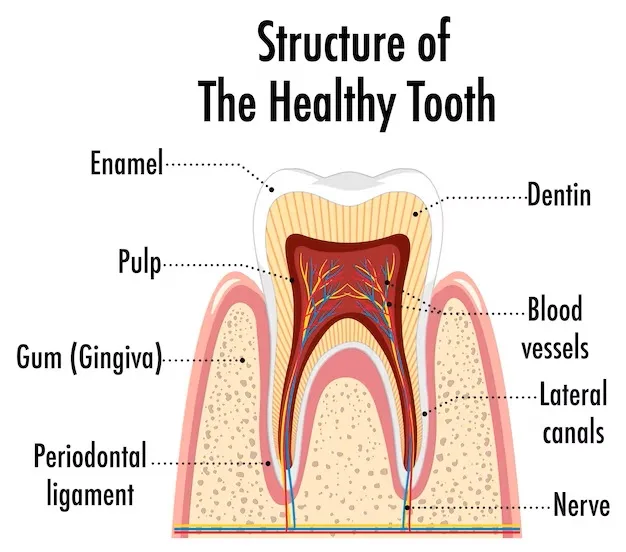
The process usually starts with a small cavity involving the outer layer of teeth, which if left untreated can involve the deeper layers of teeth such as dentin and pulp. When bacteria enter the pulp due to deep decay, cracks or trauma, an infection can develop. During a root canal treatment, the infected pulp is removed, the canals are cleaned and disinfected, and the tooth is sealed to prevent future infection. In most cases, a dental crown is then placed to restore the tooth's strength and function.
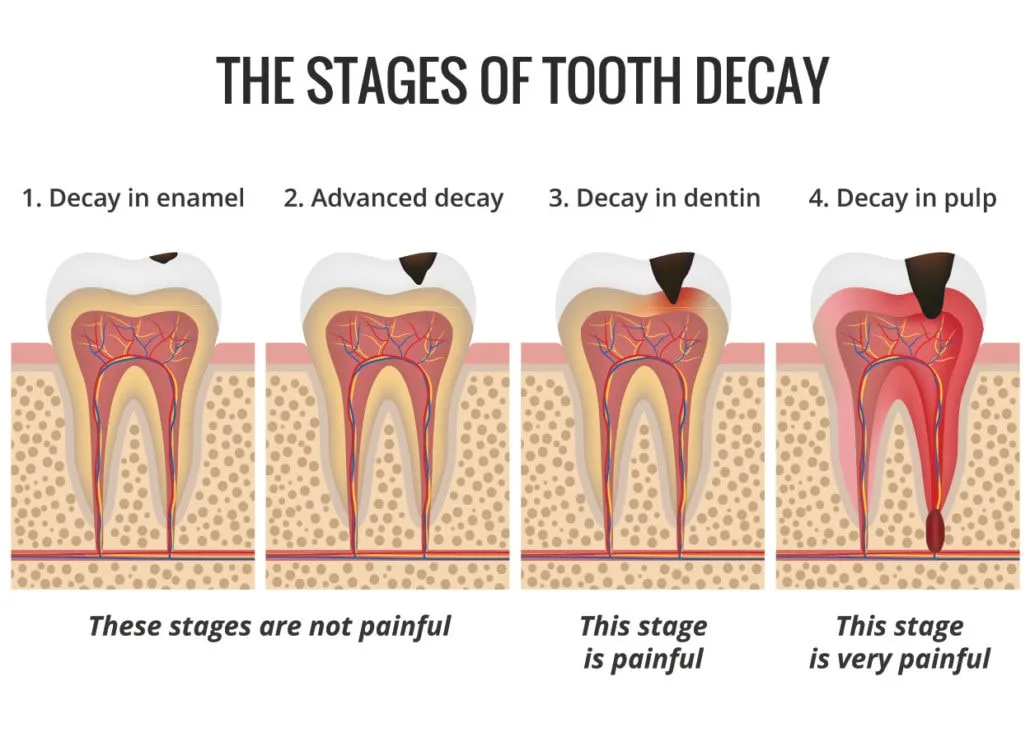
Signs You May Need a Root Canal Treatment
While only a dentist can diagnose the need for a root canal, some common symptoms include:
- Persistent Tooth Pain: Continuous pain that does not go away and may worsen while chewing or biting, or even at night
- Sensitivity to Hot and Cold: Lingering sensitivity after consuming hot tea, coffee, ice cream, or cold drinks.
- Swollen or Tender Gums: Inflammation around a tooth may indicate an infection beneath the surface.
- Tooth Discoloration: A tooth that becomes dark, grey, or discoloured may have damaged pulp tissue.
- Gum Boil or Pimple: A small pimple-like bump on the gums may indicate an abscess caused by infection.
- Pain While Chewing: Discomfort when applying pressure on the affected tooth can be a warning sign.
If you experience any of these symptoms, it is important to seek professional dental care promptly.
What Happens During a Root Canal Procedure?
Many patients are surprised by how comfortable the procedure actually is.
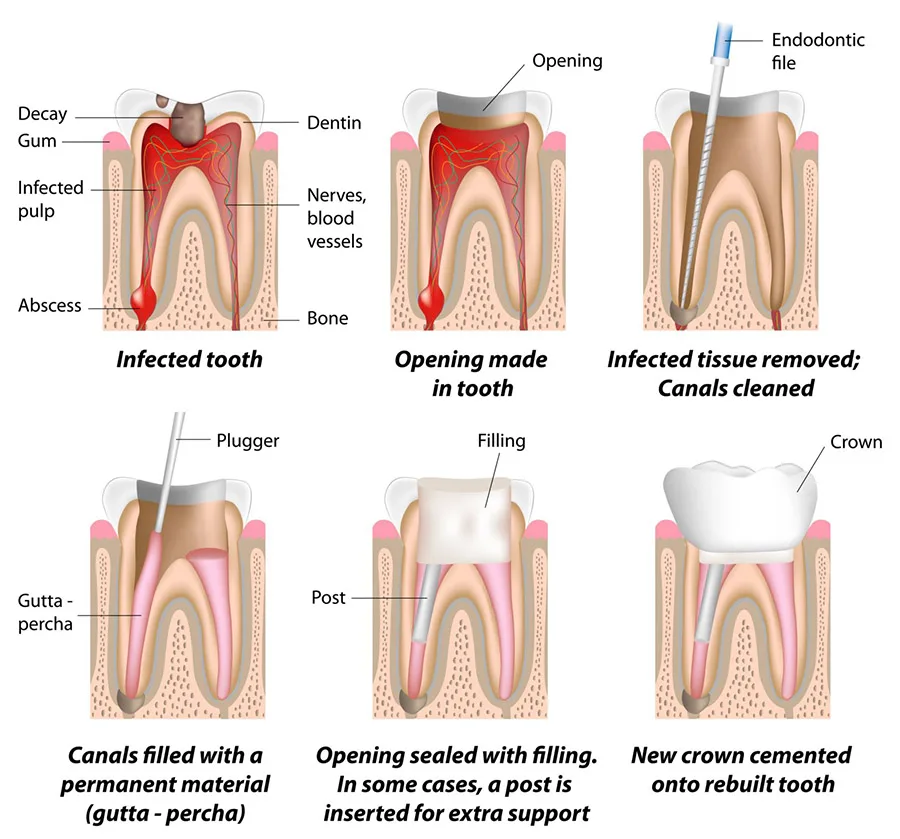
Step 1: Examination and Diagnosis
The dentist examines the tooth and takes digital X-rays to determine the extent of the infection. If it appears on the x-ray that the cavity is deep enough and involves the pulp, then the dentist will recommend a root canal treatment
Step 2: Local Anesthesia
The area is thoroughly numbed to ensure a comfortable and pain-free experience.
Step 3: Cleaning the Infection
The decay in the tooth is removed first with mechanical instruments. Afterwards, a small opening is created in the tooth to access and remove the infected pulp tissue.
Step 4: Shaping and Disinfecting
The root canals are carefully cleaned, disinfected, and shaped using specialized instruments.
Step 5: Filling the Canals
The cleaned canals are filled and sealed with a biocompatible material that replaces the infected pulp tissue completely.
Step 6: Final Restoration
A filling or crown is placed to restore the tooth's strength, appearance, and functionality.
Debunking Common Root Canal Myths
Myth 1: Root Canal Treatment Is Extremely Painful
Reality: This is perhaps the most common misconception. Modern root canal treatment is performed under local anaesthesia and is usually as simple as getting a dental filling. The procedure is intended to eliminate the pain caused by infection.
Myth 2: Tooth Extraction Is Better Than Root Canal Treatment
Reality: Saving your natural tooth is almost always the best option whenever possible. A root canal preserves your natural tooth structure, maintains proper chewing function, maintains the bone level and prevents neighbouring teeth from shifting
Myth 3: Root Canals Cause Illness
Reality: This myth originated from outdated research conducted nearly a century ago. Modern scientific evidence has repeatedly a root canal treatment can never cause a systemic disease. In fact, if not treated the infection can spread beyond the tooth to surrounding areas such as face and neck, leading to serious complications in long term.
Myth 4: Root Canal Treatment Requires Multiple Painful Visits
Reality: Depending on the condition of tooth, many root canal treatments can now be completed in one or two appointments thanks to advances in dental technology.
Myth 5: A Root Canal Means the Tooth Is Dead and Useless
Reality: While the infected pulp is removed, the tooth remains functional. With a proper restoration or crown, a root canal-treated tooth can last for many years and function normally.
Recovery After Root Canal Treatment
Recovery is generally straightforward. Patients may experience mild tenderness for a few days, which can usually be managed with over-the-counter pain medications.
To promote healing:
- Avoid chewing on the treated tooth until the final restoration is completed.
- Maintain excellent oral hygiene.
- Brush and floss regularly.
- Attend all follow-up appointments.
- Contact your dentist if swelling or severe pain develops.
Most patients return to their normal routine the very next day.
How Much Does a Root Canal Treatment Cost in Ahmedabad?
The cost of root canal treatment varies depending on several factors, including:
- Which tooth requires treatment
- The experience and qualification of dentist
- Complexity of the case
- Need for a dental crown
- Type of the crown that is selected (Metal, PFM or zirconia)
- Clinic location
- Technology used during treatment
Although a root canal may seem like a significant investment, preserving a natural tooth is often more cost-effective than extraction followed by tooth replacement options such as dental implants or bridges.
Benefits of Root Canal Treatment
Choosing root canal treatment offers several advantages:
- Relieves severe tooth pain
- Eliminates infection
- Saves the natural tooth
- Restores normal chewing ability
- Preserves jawbone health
- Prevents neighbouring teeth from shifting
- Improves oral health and quality of life
Final Thoughts
Root canal treatment has helped millions of people save their natural teeth and eliminate dental pain. Unfortunately, outdated myths continue to create unnecessary fear and anxiety.The reality is that modern root canal treatment is a safe, effective, and relatively comfortable procedure that can preserve your natural smile for years to come. If you are experiencing persistent tooth pain, sensitivity, swelling, or signs of infection, don't delay seeking treatment. Early intervention can save your tooth, reduce discomfort, and prevent more extensive dental problems in the future.
At Blossom Dental Clinic, we utilize advanced diagnostic tools, modern endodontic techniques, and strict sterilization protocols to provide comfortable and predictable root canal treatment. If you've been living with tooth pain or avoiding treatment because you're nervous about the procedure, we're here to help. Our experts will carefully assess your dental condition and advise you whether a root canal treatment is required in your case.