As parents, we celebrate many important milestones in our children's lives—their first smile, first word, first step, and first day of school. One milestone that often gets overlooked, but is equally important, is your child's first dental visit.
Many parents wonder:
- When should my child first visit the dentist?
- What happens during the appointment?
- Will my child be scared?
- How can I prepare them?
- Is dental care really necessary for baby teeth?
At Blossom Dental Clinic – Orthodontic & Implant Centre, we understand that a child's first dental visit can be both exciting and nerve-racking for parents. Our goal is to create a positive, comfortable, and educational experience that helps children develop healthy oral habits for life. In this comprehensive guide, we'll explain everything you need to know about your child's first dental appointment and why early dental care is one of the best investments you can make in your child's health.
Why Is the First Dental Visit So Important?
Many parents believe dental visits can wait until all baby teeth have erupted or until a child complains of pain. Unfortunately, by the time pain develops, dental disease may already be advanced.
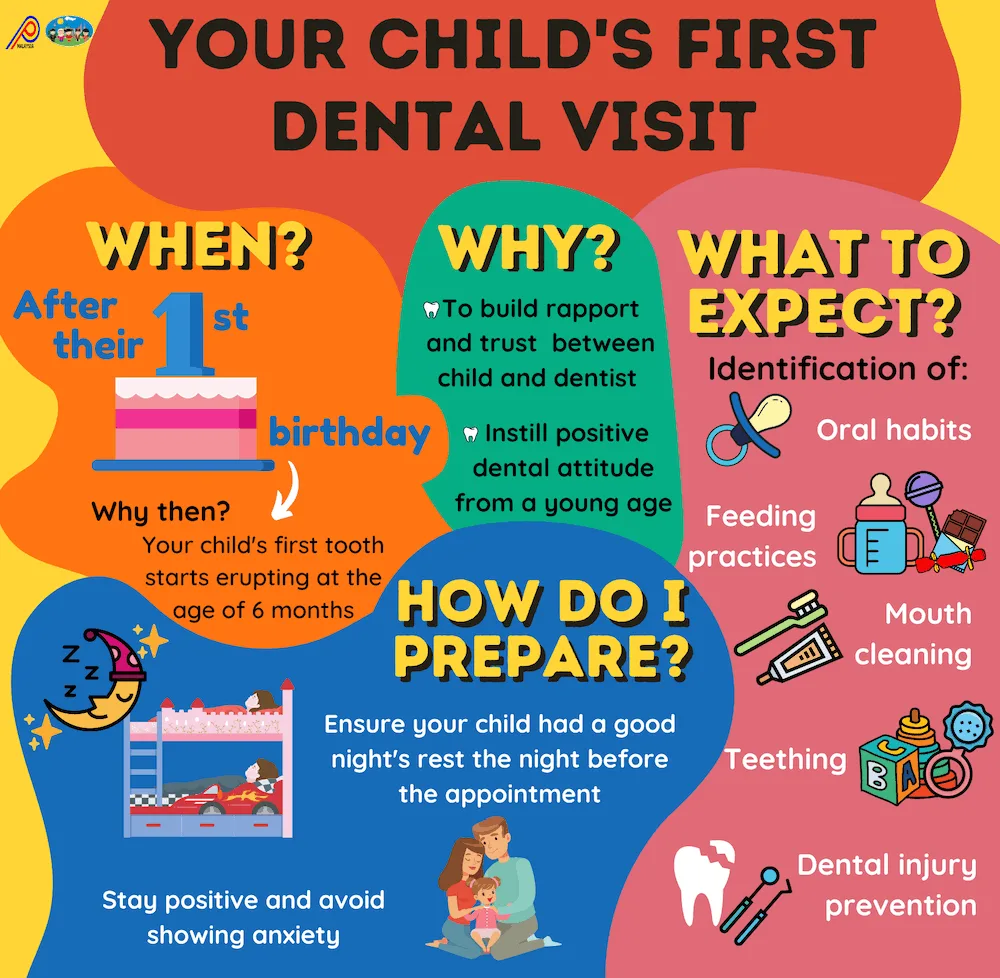
The first dental visit is primarily focused on prevention rather than treatment. Early dental examinations help in detecting tooth decay at an early stage, monitoring proper tooth eruption, assessing jaw growth and development, identifying harmful oral habits, educate parents about oral hygiene, reduce dental anxiety and build trust between the child and the dental team.
Children who begin dental visits early are more likely to maintain good oral health habits and less likely to develop fear of dental treatment later in life.
When Should a Child Have Their First Dental Visit?
According to paediatric dental guidelines, children should visit a dentist:
By Their First Birthday
OR
Within Six Months of the First Tooth Erupting
This recommendation often surprises parents because many children only have a few teeth at this age. However, cavities can develop as soon as teeth appear in the mouth. Early dental visits allow dentists to identify potential issues before they become major concerns.
Why Baby Teeth Matter More Than You Think?
One of the most common misconceptions among parents is: “These teeth are going to fall out anyway"
While baby teeth are temporary, they play several crucial roles:
- They Help Children Eat Properly
- Healthy teeth allow children to chew food effectively, supporting proper nutrition and growth.
- They Help Develop Clear Speech
- Baby teeth contribute significantly to pronunciation and speech development.
- They Maintain Space for Permanent Teeth
- Premature loss of baby teeth can lead to crowding, misalignment, and orthodontic problems later.
- They Influence Self-Confidence
What Happens During Your Child's First Dental Visit?
At Blossom Dental Clinic, the first visit is designed to be gentle, informative, and enjoyable.
Step 1: A Warm and Friendly Welcome
We understand that new environments can feel intimidating for young children. We create a calm and welcoming atmosphere where children can become familiar with the dental clinic, the dental chair, dental instruments and our friendly doctors. The first few minutes are often spent helping your child feel comfortable before any examination begins.
Step 2: Reviewing Medical and Dental History
We will ask parents about:
- Pregnancy and birth history
- Medical conditions
- Current medications
- Allergies
- Teething concerns
- Feeding habits
- Oral habits such as thumb sucking or pacifier use
This information helps us provide personalized recommendations for your child's oral health.
Step 3: Gentle Oral Examination
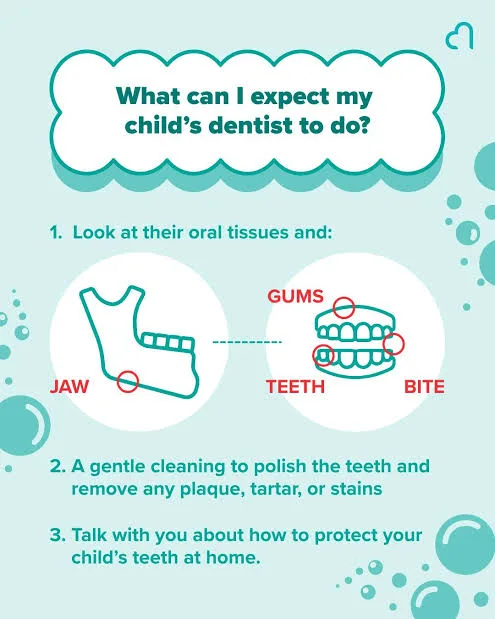
The dentist will carefully examine your child and check:
Teeth: For Early cavities, White spot lesions, Tooth eruption patterns and Developmental abnormalities
Gums: Evaluating gum health and signs of inflammation.
Tongue and Soft Tissues: Examining the tongue, cheeks, palate, and oral tissues to ensure healthy development.
Bite and Jaw Development: Assessing how the upper and lower jaws are growing and whether any orthodontic concerns may arise in the future.
The examination is quick, painless, and adapted to your child's comfort level.
Step 4: Preventive Dental Care
Depending on your child's age and oral health condition, preventive treatments may be recommended.
Fluoride Treatment: Fluoride strengthens enamel and helps prevent cavities. Children who are at higher risk of tooth decay often benefit from professional fluoride applications.
Oral Hygiene Guidance: The dentist may demonstrate proper brushing techniques and discuss age-appropriate oral care practices.
Step 5: Parent Education
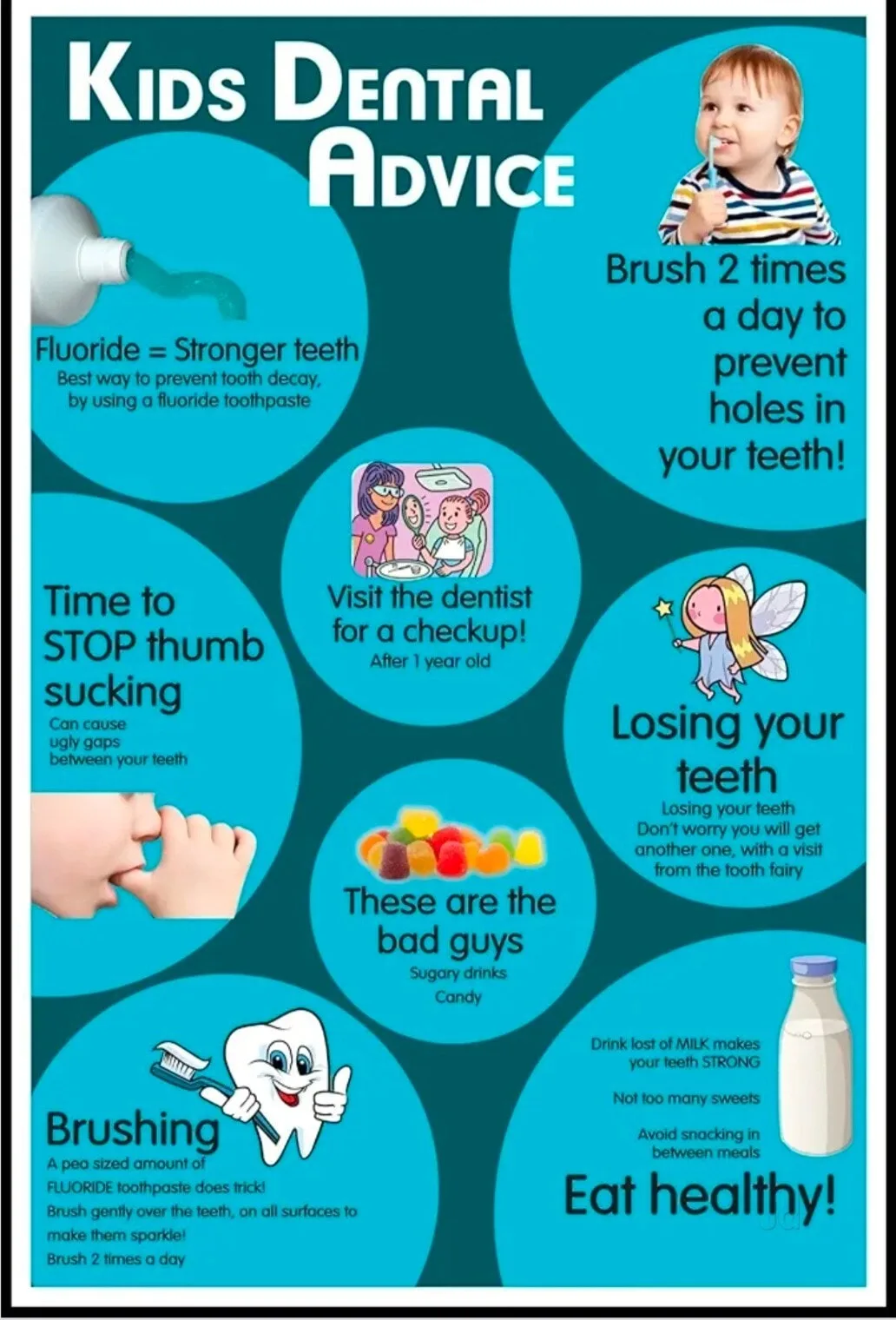
A large portion of the first dental visit focuses on educating parents.
Topics commonly discussed include Proper Brushing Techniques, how often to brush, how much toothpaste to use, which toothbrush is appropriate, and dietary advice. We discuss foods and drinks that can increase cavity risk, including: Sugary snacks, Fruit juices and Sticky candies. Fluoride recommendations and guidance regarding fluoride toothpaste and preventive care, Teething advice and Tips to help manage discomfort during tooth eruption are given.
Parents are also advised to monitor their child’s oral habits such as Thumb sucking, Mouth breathing, Tongue thrusting or pacifier use, as these habits can affect the facial structure, jaw development, and teeth alignment
Will My Child Need Dental X-Rays?
Not every child requires dental X-rays during the first visit. X-rays are only recommended when clinically necessary, such as: Detecting hidden cavities, Evaluating tooth development, Assessing trauma or Monitoring eruption patterns. When needed, modern digital X-rays use minimal radiation exposure.
How Long Does the First Dental Visit Take?
Most first dental visits typically take between 20 and 30 minutes. The focus is on: Examination, Prevention, Education and building comfort. The goal is to create a positive experience rather than overwhelm the child.
How Parents Can Prepare Their Child for the First Dental Visit
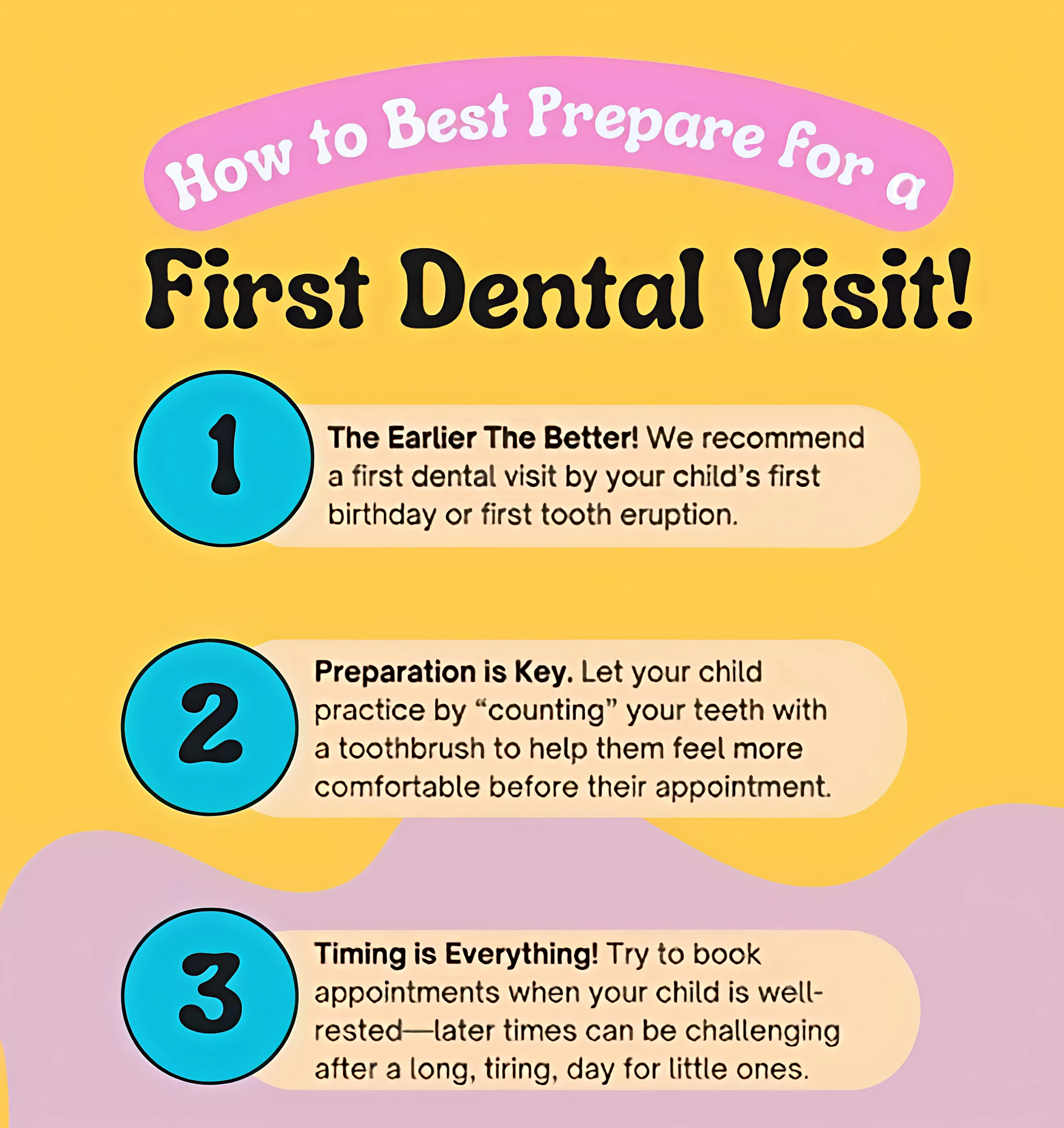
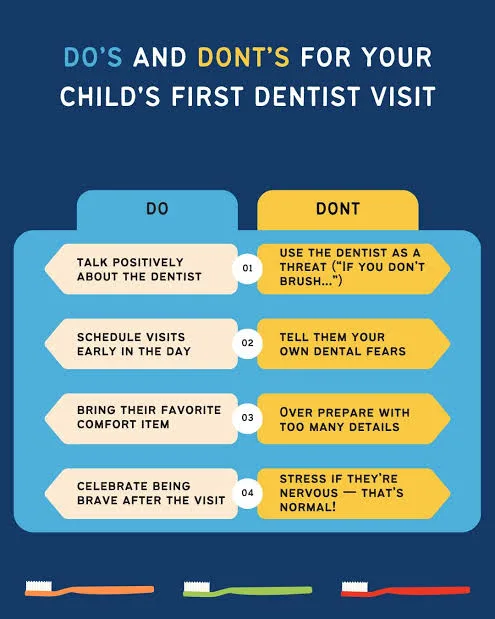
Preparation can significantly influence your child's experience.
Use Positive Language : Instead of saying "Don't be scared"or "It won't hurt", Try saying: "The dentist will count your teeth" or "The dentist will help keep your smile healthy."
Read Children's Books About Dental Visits
Books and videos can familiarize children with what to expect before the appointment.
Schedule Wisely : Choose a time when your child is: Well rested, Fed and Generally cooperative. Avoid scheduling during nap times.
Bring a Comfort Item: A favorite toy, blanket, or stuffed animal can help reduce anxiety.
Common Dental Problems Found During Early Visits
Early examinations frequently identify:
Baby Bottle Tooth Decay: Occurs when children frequently consume milk, formula, or sweetened beverages before sleeping.
Early Childhood Cavities: Can develop surprisingly quickly in young children.
Thumb Sucking Effects: Prolonged thumb sucking can affect jaw growth and tooth alignment.
Delayed Tooth Eruption: Some children experience delayed eruption patterns that require monitoring.
Developmental Issues: Occasionally, abnormalities in tooth shape, size, or position are identified early.
Early detection often means simpler and less expensive treatment.
Signs Your Child Should See a Dentist Immediately
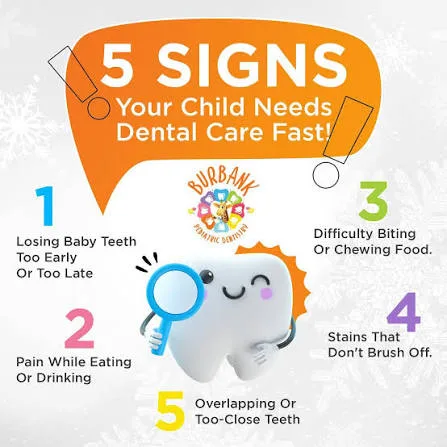
Do not wait for the routine appointment if your child experiences: Tooth pain, Swelling, Dental trauma, Broken teeth, White or brown spots on teeth, Bleeding gums, Difficulty chewing or biting.
Prompt evaluation can prevent complications.
Why Children Should Visit the Dentist Every Six Months
After the first visit, regular check-ups are essential. Routine dental visits help in preventing cavities, monitor growth and development, reinforce good oral hygiene habits, detect problems early and maintain a positive relationship with dental care
Why Choose Blossom Dental Clinic for Your Child's Dental Care?
A child's first dental visit is much more than a routine check-up. It is the beginning of a lifelong journey toward excellent oral health.
At Blossom Dental Clinic – Orthodontic & Implant Centre, we believe every child deserves a positive introduction to dental care. Our mission is to make every visit comfortable while helping children develop lifelong healthy habits. By introducing your child to dental care early, you can prevent many common dental problems, establish healthy habits, and ensure that visits to the dentist become a normal and positive part of life.
We are dedicated to making your child's first dental experience enjoyable, educational, and stress-free. Give your child the gift of a healthy smile and a positive start to lifelong dental care. Schedule your child first visit at Blossom Dental Clinic and let us help your little one smile with confidence.